 Pin This
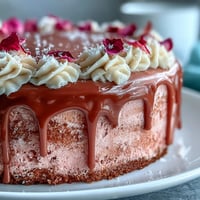
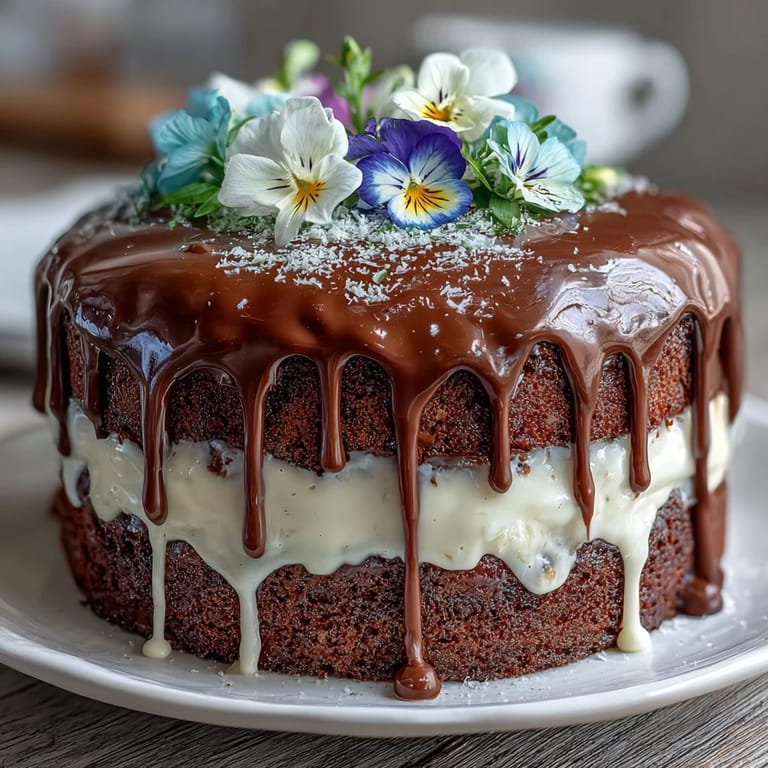
 My sister texted me a photo of a spring wedding she was attending—the cake had this ethereal cascade of white chocolate dripping down pastel layers, crowned with real flowers. I stared at it for probably longer than necessary, wondering if I could actually pull off something that stunning in my own kitchen. Turns out, with the right technique and a little patience, you absolutely can. This Spring Floral Drip Cake became my answer to that challenge, and now it's the first thing I bake whenever someone needs something that feels both celebratory and genuinely special.
I made this for my friend's birthday last April, and watching her face when she saw it sitting on the kitchen counter—that moment when she realized I'd made it myself—is honestly why I keep baking. The house had smelled like vanilla and lemon for hours, and the three-layer structure felt like a legitimate accomplishment. She cut into it carefully, like she was afraid to disturb the flowers, and that's when I knew the recipe was worth holding onto.
Ingredients
- All-purpose flour (2½ cups): The foundation of your sponge—sifting it isn't strictly necessary, but it does help prevent lumps and creates a more tender crumb.
- Baking powder (2½ tsp): This is what gives the cake its lift and airy texture; don't skip the measurement or you'll end up with a dense result.
- Unsalted butter (1 cup, plus 1 cup for frosting): Room temperature is non-negotiable—cold butter won't incorporate properly and you'll struggle to get that fluffy frosting consistency.
- Granulated sugar (1¾ cups): The sweetness here is balanced by the lemon, so don't reduce it thinking you'll compensate later.
- Eggs (4 large): Room temperature eggs blend seamlessly into the batter; cold ones tend to create an uneven mixture.
- Vanilla extract (1 tbsp): Use real vanilla if you can—it adds warmth that the cake really benefits from.
- Whole milk (1 cup): Room temperature milk incorporates smoothly; straight-from-the-fridge milk can cause the batter to seize slightly.
- Powdered sugar (4 cups, sifted): Sifting removes lumps that would otherwise show up as gritty streaks in your frosting.
- Fresh lemon juice and zest (2 tbsp juice, 2 tsp zest): Fresh is crucial here—bottled lemon juice tastes flat by comparison, and zest adds those little flavor bursts throughout.
- White chocolate chips (1 cup): Quality matters more here than anywhere else; cheap white chocolate can taste waxy and won't drip as beautifully.
- Heavy cream (⅓ cup): This becomes your ganache, so don't substitute or reduce the amount.
- Edible flowers: Source these carefully from specialty grocery stores or online retailers that guarantee pesticide-free varieties—violets and pansies work beautifully, as do food-safe rose petals.
Tired of Takeout? 🥡
Get 10 meals you can make faster than delivery arrives. Seriously.
One email. No spam. Unsubscribe anytime.
Instructions
- Prep your pans and oven:
- Preheat to 350°F and line three 8-inch round pans with parchment paper—greasing the pans first helps the paper stick. This temperature is hot enough to bake through without browning the tops too quickly.
- Combine dry ingredients:
- Whisk flour, baking powder, and salt in a medium bowl, breaking up any hidden lumps. Set this aside—you'll be alternating it with milk, so having it ready matters.
- Cream butter and sugar:
- Beat them together for 3 to 4 minutes until the mixture is pale and noticeably fluffy; you'll hear the mixer working harder as air incorporates. This step is where your cake's tender crumb begins.
- Add eggs gradually:
- Drop in one egg at a time, beating well after each addition; this prevents the mixture from looking curdled. You should see the batter gradually become smoother and lighter.
- Mix in vanilla:
- Stir this in once all eggs are incorporated—it adds subtle warmth that makes the cake feel more refined.
- Alternate flour and milk:
- Start with flour, add about one-third, then milk, then flour again, ending with flour. Overmixing at this stage develops gluten, which makes cake tough, so stop as soon as you see no streaks of flour.
- Divide and bake:
- Distribute batter evenly among the three pans using a scale if you have one, or eyeballing works too. Bake for 25 to 30 minutes until a toothpick comes out clean—don't open the oven door before 25 minutes or the cakes may fall.
- Cool properly:
- Let cakes sit in their pans for 10 minutes, which lets them set enough to release cleanly, then turn them out onto wire racks. This prevents them from steaming themselves into a gummy mess.
- Make the frosting:
- Beat softened butter until it's creamy, then gradually add powdered sugar a cup at a time, scraping down the bowl often. Once smooth, mix in lemon juice, zest, and just enough milk to get a spreadable consistency that holds its shape.
- Stack and frost the cake:
- Place the first cooled layer on your serving plate, spread frosting generously on top, then repeat with the second layer. Frost the top and sides smoothly using an offset spatula or bench scraper—take your time here because this is what people see first.
- Prepare white chocolate ganache:
- Heat cream until small bubbles form at the edges, pour it over white chocolate in a heatproof bowl, and let it sit undisturbed for 2 minutes. The residual heat will soften the chocolate; then stir until completely smooth, which takes maybe 30 seconds of gentle stirring.
- Add color if desired:
- A tiny dab of gel food coloring can tint the ganache pastel shades that complement the flowers; stir it in once the mixture has cooled slightly but is still pourable.
- Create the drip:
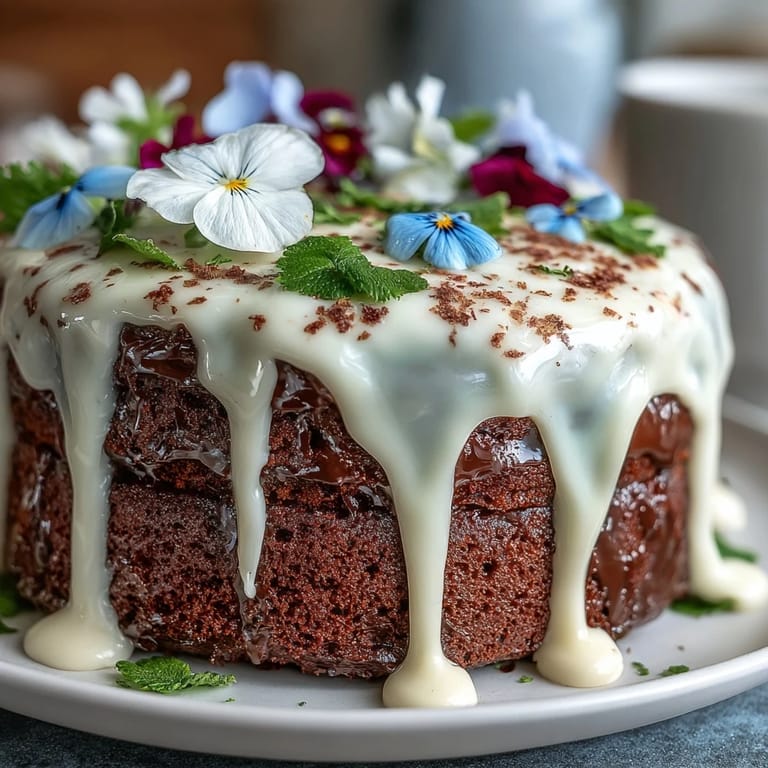
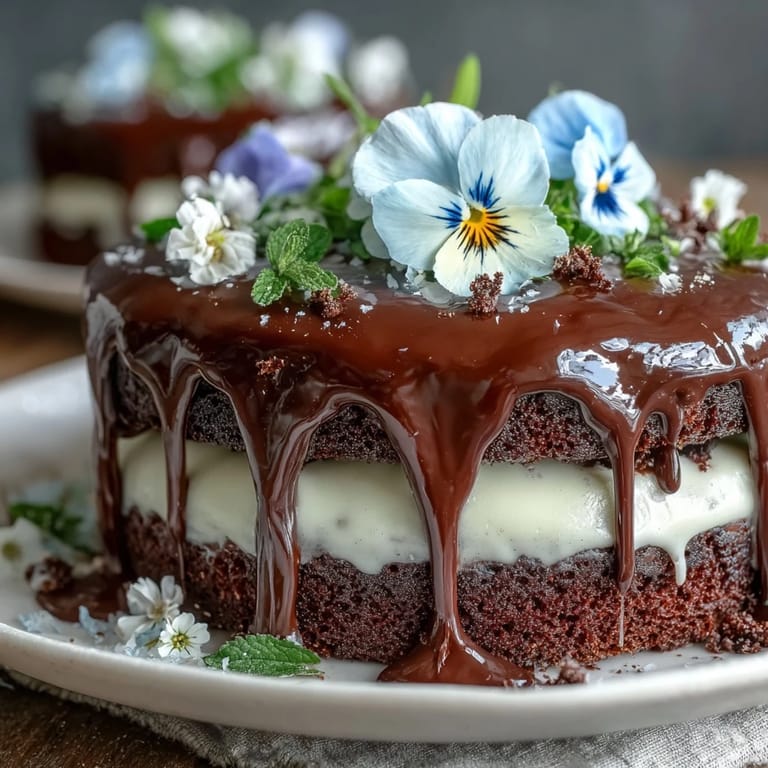
- Use a spoon or squeeze bottle to gently pour ganache around the edge of the cake, letting gravity pull it down the sides naturally. Pour remaining ganache on top and spread it with a gentle hand—you want it to look intentional but not overworked.
- Decorate the top:
- Arrange edible flowers on top while the ganache is still slightly tacky so they'll stay put. Finish with a sprinkle of lemon zest or extra sprinkles if you'd like more visual texture.
 Pin This
 There's something almost ceremonial about a three-layer cake—it takes time, it requires focus, and somewhere in the process of frosting and decorating, you stop just following steps and start creating something with intention. That's when baking feels less like a task and more like a conversation with the kitchen itself.
Why This Cake Works for Spring
Spring deserves something bright and alive, and this cake delivers exactly that without being heavy or cloying. The lemon frosting is fresh enough to feel seasonal, the vanilla sponge is tender and approachable, and the white chocolate drip plus flowers transforms it from homemade to something you'd order from a professional baker. I've made this for Easter brunches, engagement parties, and just because—it works for every celebration that lands between March and May.
The Art of the Ganache Drip
That cascading white chocolate is what makes people stop and stare, but it's honestly the easiest part once you understand the temperature. If it's too warm, it runs everywhere like a flood; too cool, and it won't drip at all. The sweet spot is when it's just pourable but holds its shape slightly—think warm honey rather than melted butter.
Storing and Serving
This cake actually tastes better the next day when the flavors have melded slightly, which makes it perfect for advance planning. Keep it covered in the refrigerator for up to three days, and bring it to room temperature for about 30 minutes before serving so the frosting becomes soft and the cake doesn't taste cold and dense.
- If you're not serving it immediately, add the flowers as close to serving time as possible so they stay vibrant and don't wilt.
- A small slice goes a long way because this is rich and satisfying—pair it with Earl Grey tea or a glass of sparkling wine for an elegant finish.
- Leftover cake keeps well refrigerated, though the flowers should be removed and eaten first.
 Pin This
 This cake asks for patience, but it rewards you generously with something that tastes as beautiful as it looks. Serve it proud.
Recipe FAQ
- → How do I achieve a smooth lemon frosting?
Beat softened butter until creamy, gradually add powdered sugar, then mix in fresh lemon juice and zest. Adjust consistency with milk to create a smooth, spreadable frosting.
- → What is the best way to make the white chocolate drip?
Heat heavy cream until simmering, pour over chopped white chocolate, let sit, then stir until smooth. Cool until pourable but slightly thickened before dripping on the cake.
- → How can I ensure the cake layers bake evenly?
Grease and line pans with parchment paper, divide batter equally, and bake at 350°F (175°C). Use a toothpick to check for doneness before removing from the oven.
- → Are the floral decorations edible and safe?
Use only pesticide-free, food-safe edible flowers like violets, pansies, or rose petals to ensure safety and enhance the cake's appearance.
- → Can this be adapted for a gluten-free diet?
Yes, substitute the all-purpose flour with a 1:1 gluten-free flour blend to make the cake gluten-free while maintaining texture.
- → How should I store the cake after assembly?
Refrigerate the assembled cake for up to 3 days. Allow it to come to room temperature before serving for best flavor and texture.