 Pin This
 The first time I encountered hojicha was in a tiny Tokyo café where the roasted green tea aroma wrapped around me like a warm blanket. I ordered a roll cake that afternoon, and something about that earthy, caramel-like flavor cutting through sweet cream stayed with me for months. When I finally attempted recreating it at home, my kitchen smelled absolutely divine during the entire process. The mango addition came from having perfectly ripe fruit on my counter and wondering what would happen. Now this combination has become my go-to when I want something elegant but not fussy.
I made this for my sister's birthday last spring, and she literally stopped mid conversation after her first bite. The roll sat on her counter for three days, and every time someone visited, she'd cut another slice with this conspiratorial grin. There's something about the spiral reveal when you slice into a roll cake that feels like opening a present. My nephew asked if I could make it for his graduation, which is probably the highest compliment a dessert can receive.
Ingredients
- 4 large eggs, separated: Room temperature eggs whip up beautifully and give your sponge that ethereal lift we all want
- 80 g granulated sugar: Split evenly between yolks and whites, this provides just enough sweetness without overshadowing the hojicha
- 60 ml whole milk: Full fat is worth it here for tender crumb structure
- 50 ml vegetable oil: Keeps the sponge moist without overwhelming the delicate flavor
- 70 g cake flour, sifted: Low protein creates that signature cotton-soft texture Japanese cakes are famous for
- 10 g cornstarch: The secret to extra tenderness and structure
- 1 tbsp hojicha powder: This roasted green tea is the star, so use good quality powder with deep aroma
- 1/4 tsp salt: Enhances the tea flavor and balances sweetness
- 200 ml heavy cream: Cold cream whips faster and holds its shape better for rolling
- 2 tbsp powdered sugar: Dissolves instantly into cold cream without grittiness
- 2 tsp hojicha powder: Sift this into the cream to avoid any stubborn lumps
- 1 ripe mango: Thin strips add juicy brightness and stunning color contrast
Tired of Takeout? 🥡
Get 10 meals you can make faster than delivery arrives. Seriously.
One email. No spam. Unsubscribe anytime.
Instructions
- Prepare your oven and pan:
- Preheat to 170°C and line your baking tray with parchment, letting extra paper hang over the edges for easy lifting later.
- Make the yolk base:
- Whisk egg yolks with half the sugar until noticeably lighter and creamy, then mix in milk and oil until smooth.
- Add the dry ingredients:
- Sift flour, cornstarch, hojicha, and salt directly into the yolks, folding until just combined with no dry patches visible.
- Whip the meringue:
- Beat egg whites until foamy, then gradually rain in remaining sugar while whipping to stiff, glossy peaks.
- Combine gently:
- Fold one third of meringue into the yolk mixture to lighten it, then carefully fold in remaining whites until no white streaks remain.
- Bake the sponge:
- Spread batter into prepared pan, tap firmly on counter to release air bubbles, and bake for 13-15 minutes until springs back when touched.
- Cool properly:
- Invert immediately onto fresh parchment, peel off the baking paper carefully, and cover loosely with a towel until completely cool.
- Whip the cream:
- Beat cold heavy cream with powdered sugar and hojicha powder until medium-stiff peaks hold their shape.
- Assemble and roll:
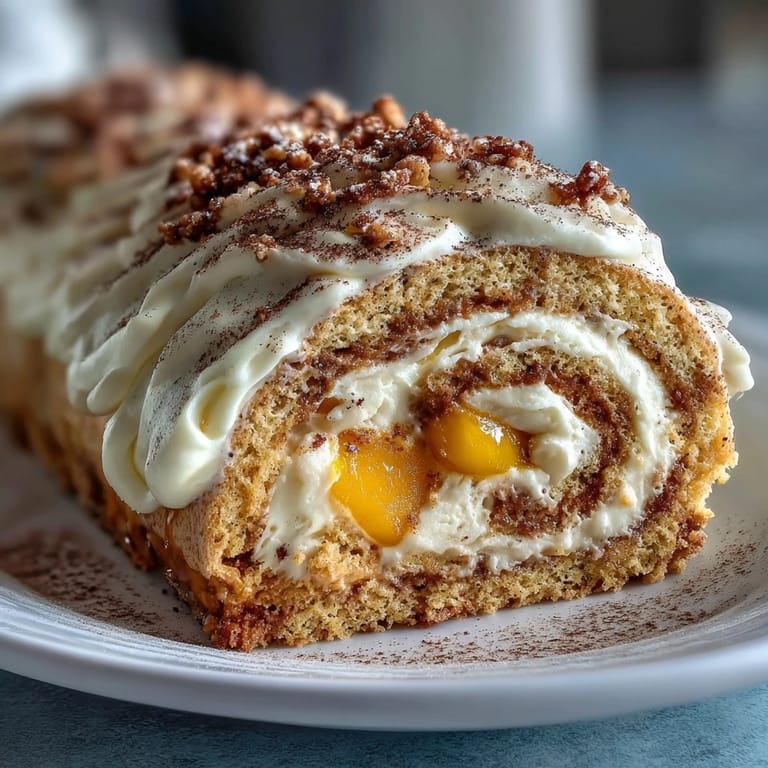
- Spread cream over cooled sponge, arrange mango strips along one short edge, then use the parchment to roll into a tight spiral.
- Chill and serve:
- Wrap tightly in parchment and refrigerate at least 30 minutes before trimming ends and slicing into portions.
 Pin This
 This recipe became my signature dish during a difficult summer when baking was the only thing that made sense. The rhythm of sifting, whipping, folding felt meditative, and sharing the results brought people together in ways I hadn't expected. Food has this way of creating moments when nothing else can.
Perfecting That Roll
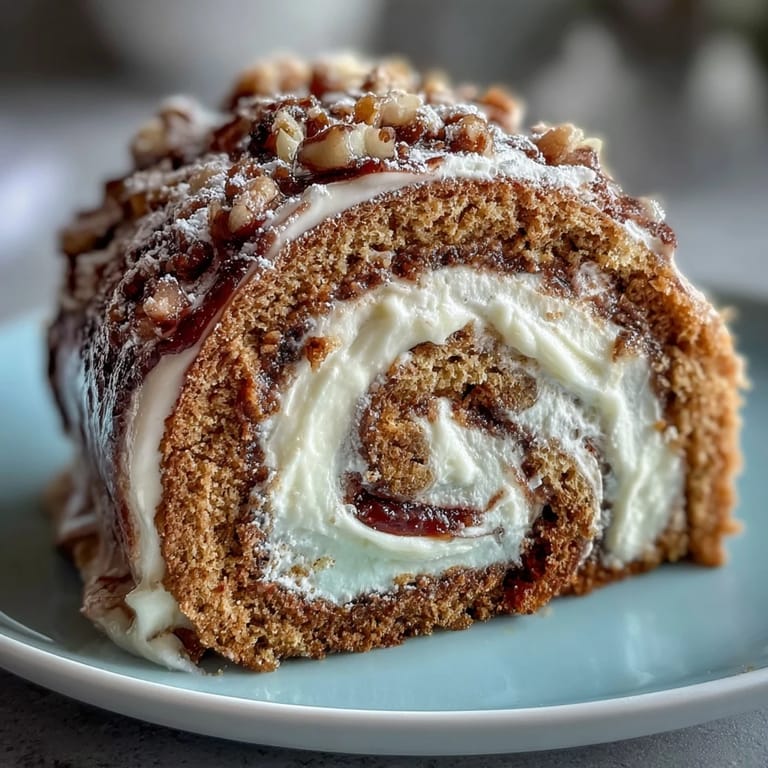
The trick to a crack-free roll is all in the timing and temperature. I learned through some rather ugly attempts that the sponge needs to be completely cool but not dried out. Keeping it covered with that kitchen towel creates just the right environment, and the parchment paper becomes your best friend during the actual rolling process.
Working With Hojicha
Unlike matcha, hojicha brings this incredible roasted dimension that plays so well with dairy. I've found that sifting it twice, once with the dry ingredients and again into the cream, prevents any stubborn clumping. The color might look subtle, but the flavor carries through beautifully in every layer.
Make Ahead Wisdom
This roll cake actually tastes better after sitting overnight, as the flavors have time to mingle and the sponge absorbs some of that cream. I've made it the evening before serving countless times, and it never fails to impress. The texture becomes more cohesive, almost like the flavors decided to get to know each other better.
- Wrap assembled rolls tightly in plastic wrap to prevent absorbing fridge odors
- Let it sit at room temperature for 15 minutes before serving for the best texture
- Add powdered sugar dusting right before serving so it stays fresh and pretty
 Pin This
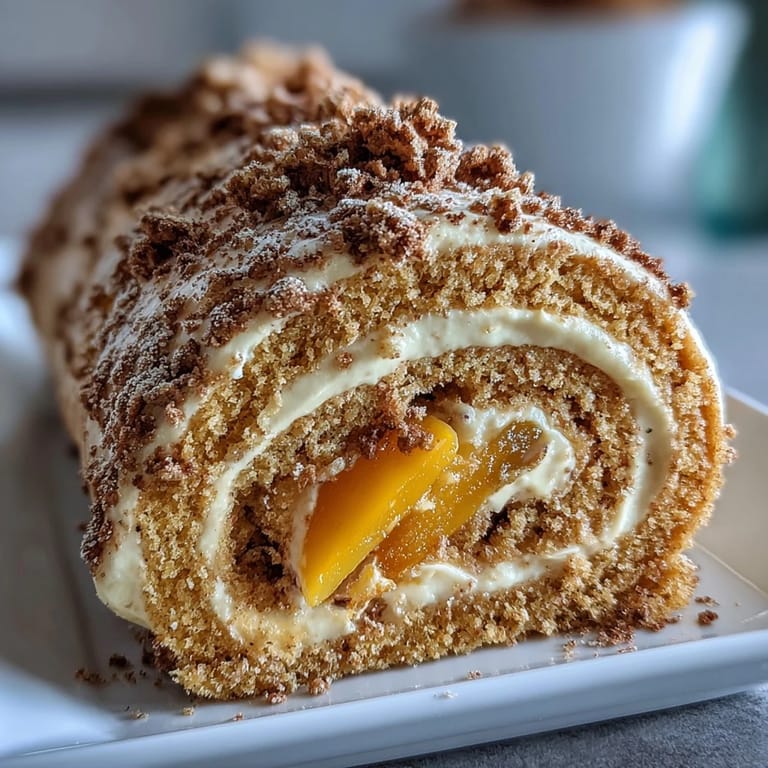
 There's something deeply satisfying about slicing into that spiraled beauty and seeing the distinct layers you created with your own hands. This cake has become my way of sharing a moment of calm with the people I care about most.
Recipe FAQ
- → What makes hojicha different from regular green tea?
Hojicha is roasted green tea that has a deep, earthy flavor with lower caffeine content compared to regular green tea. The roasting process gives it a warm, toasty profile that pairs beautifully with creamy desserts.
- → Can I make this roll cake ahead of time?
Yes, you can prepare the sponge and cream a day in advance. Store them separately in the refrigerator, then assemble and roll the cake a few hours before serving for the best texture and appearance.
- → Why did my sponge crack when rolling?
Cracking usually happens when the cake cools completely before rolling or is overbaked. Roll the cake while still warm, and avoid overbaking—the sponge should spring back lightly when touched.
- → What fruits work best in this roll?
Fresh mango adds a lovely tropical sweetness, but you can also use strawberries, peaches, or even diced persimmons. Choose fruits that aren't too juicy to prevent making the cream soggy.
- → Can I use matcha instead of hojicha?
Absolutely! Matcha will give you a more vibrant green color and a grassier flavor profile. Use the same amount and expect a slightly different but equally delicious result.