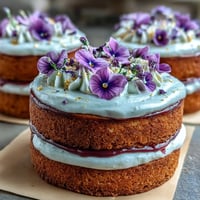
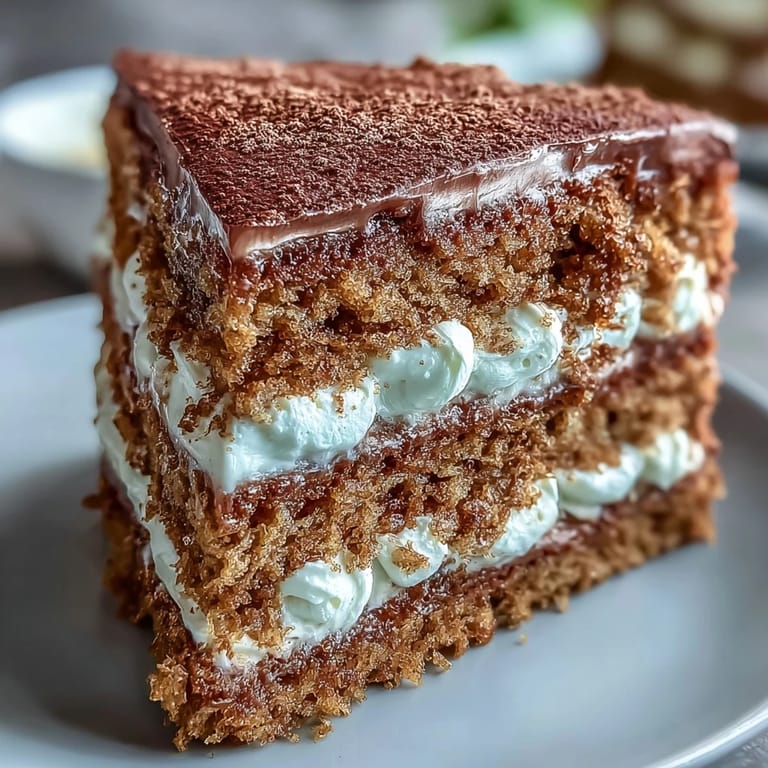
 Pin This
 The first time I encountered hojicha cake was at a tiny bakery in Kyoto, where the shopkeeper apologetically explained they'd sold out of matcha rolls. This earthy, amber hued slice sat in its place, and I took it home with mild curiosity. One bite in and I understood why locals kept coming back. It was less about the tea itself and more about how the roasted, almost caramel like notes played against something so incredibly light. I spent months trying to recreate that exact balance in my own kitchen, burning through more tea powder than I care to admit.
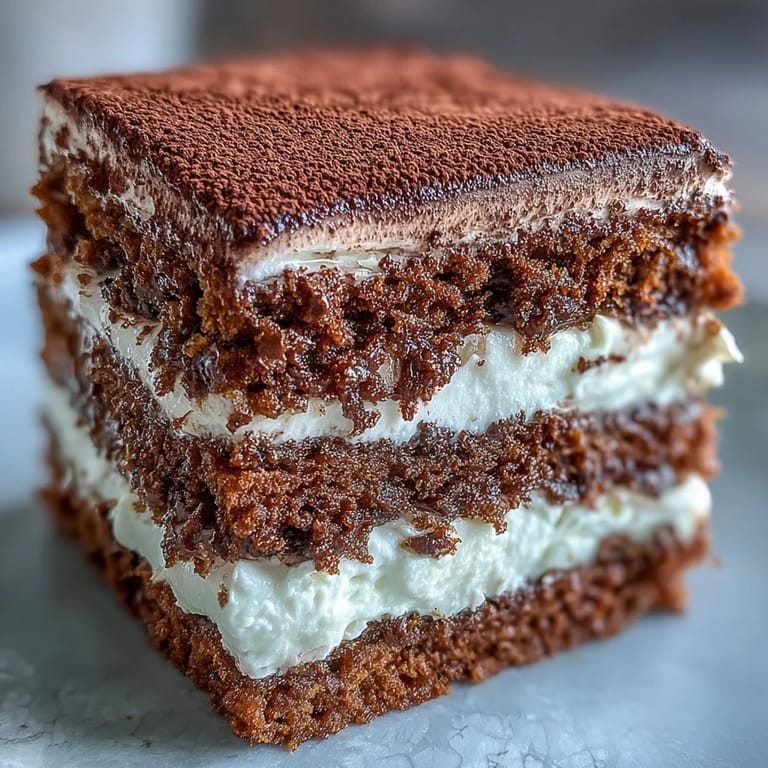
My sister in law requested this for her birthday after I made it once for a casual dinner. The whole family watched her cut into it, and there was something so satisfying about seeing those delicate layers reveal themselves. She said it reminded her of the winters she spent studying in Tokyo, which I hadn't even known about until that moment. Food does that sometimes, connects you to memories people haven't shared out loud.
Ingredients
- 4 large eggs: Room temperature eggs whip up much better and create that signature airy texture
- 120 g granulated sugar: This precise amount sweetens without overpowering the subtle tea flavor
- 120 g cake flour: Lower protein than all purpose flour, essential for that tender genoise crumb
- 20 g hojicha powder: The star ingredient, roasted green tea with notes of caramel and earth
- 40 g unsalted butter: Melted and cooled, adds richness without weighing down the sponge
- 30 ml whole milk: Helps incorporate the butter smoothly into the delicate batter
- 1/4 tsp fine sea salt: Enhances and balances all the flavors
- 300 ml heavy cream: Minimum 35% fat content is crucial for stable whipped cream
- 40 g powdered sugar: Dissolves easily into cold cream for silky texture
- 10 g hojicha powder: Additional powder for infusing the whipped cream
- 1 tsp vanilla extract: Rounds out the tea flavors beautifully
Tired of Takeout? 🥡
Get 10 meals you can make faster than delivery arrives. Seriously.
One email. No spam. Unsubscribe anytime.
Instructions
- Prep your pan and warm the eggs:
- Preheat your oven to 170°C (340°F) and line just the bottom of a 20 cm round pan with parchment. Don't grease the sides, the batter needs to climb. Combine eggs and granulated sugar in a heatproof bowl set over simmering water, whisking until it feels warm to the touch, about 40°C.
- Whip until magically transformed:
- Remove from heat and beat with an electric mixer on high speed for about 7 minutes until the mixture is pale, thick, and tripled in volume. Drop to low speed for one final minute to stabilize the bubbles.
- Fold in the dry ingredients:
- Sift cake flour, hojicha powder, and salt together. Gently fold into the egg mixture in two additions, being careful not to knock out all the air you just worked so hard to create.
- Temper in the butter:
- Stir melted butter and milk together in a small bowl. Add a scoop of batter to this mixture first, stir until combined, then gently fold everything back into the main batter.
- Bake until perfectly springy:
- Pour into your prepared pan and tap gently on the counter to release any trapped air bubbles. Bake for 23 to 25 minutes until the top springs back when touched and a skewer comes out clean.
- Cool with patience:
- Let the cake rest in the pan for 10 minutes before running a knife around the edges. Invert onto a rack, remove the parchment, and let cool completely before you even think about cutting it.
- Make the hojicha cream:
- In a chilled bowl, sift together hojicha powder and powdered sugar. Add heavy cream and vanilla, then whip until you reach medium stiff peaks that hold their shape beautifully.
- Assemble with care:
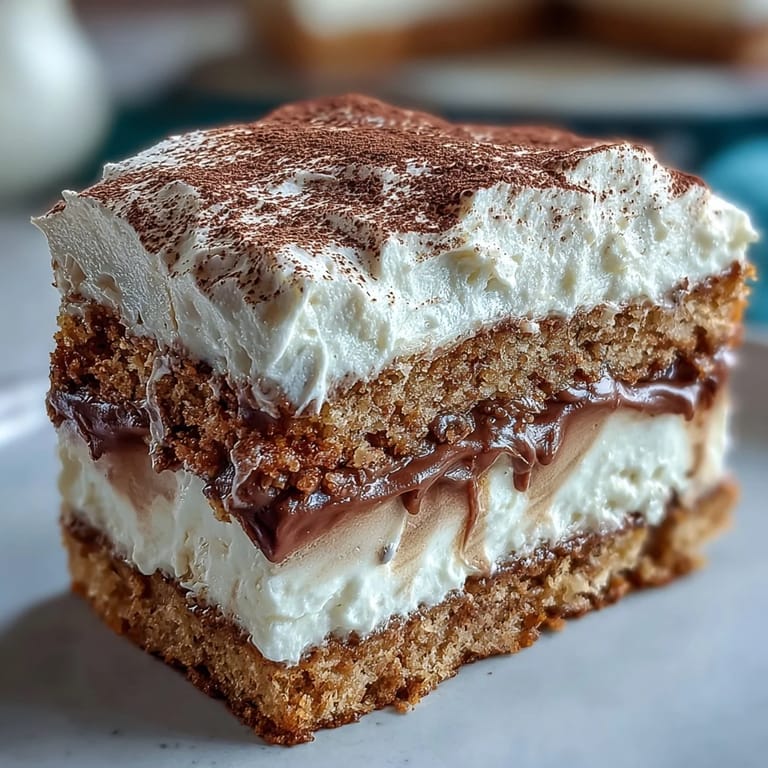
- Slice your cooled sponge horizontally into two or three even layers. Spread that fragrant whipped cream between each layer and over the top. A light dusting of extra hojicha powder on top looks stunning and hints at what's inside.
- Chill for clean slices:
- Refrigerate the assembled cake for at least 30 minutes before serving. This step makes all the difference between squished slices and picture perfect ones.
 Pin This
 What started as an experiment has become my most requested dessert. There's something about hojicha that feels less pretentious than matcha, more approachable and warm. I've served this at formal dinner parties and casual Tuesday night tea sessions, and it never fails to make people pause and ask what they're tasting.
Making It Your Own
I've learned that brushing each sponge layer with a little hojicha infused syrup before adding cream keeps everything moist and intensifies the flavor. Just brew a strong cup of hojicha tea and dissolve a tablespoon of sugar in it while it's still warm. Let it cool completely before using.
Finding Good Hojicha Powder
Not all hojicha powder is created equal. Some brands are too coarse and won't incorporate well into batters or cream. Look for a fine, vibrantly colored powder similar to matcha in texture. Japanese grocery stores are your best bet, but reputable online tea shops work too.
Serving Suggestions
This cake is actually best served slightly chilled, which makes the cream feel more luxurious and the flavors more pronounced. A cup of plain green tea or a glass of cold milk alongside balances the richness perfectly. If you're feeling fancy, a few roasted chestnuts crumbled on top add wonderful texture.
- Leftovers keep well in the fridge for two days, though the texture is best on day one
- If you only have all purpose flour, replace 2 tablespoons of it with cornstarch to mimic cake flour
- The assembled cake freezes surprisingly well, just wrap it tightly and thaw in the fridge overnight
 Pin This
 Hope this brings a little warmth and comfort to your table. There's something special about a dessert that feels both elegant and deeply comforting at the same time.
Recipe FAQ
- → What makes hojicha different from other Japanese teas?
Hojicha is a green tea roasted over charcoal at high temperatures, which gives it a reddish-brown color, lower caffeine content, and distinctively toasty, smoky flavor profile unlike the grassy notes of matcha or sencha.
- → Can I substitute hojicha powder with matcha?
While possible, the flavor profile will change significantly. Matcha has a vibrant, grassy taste whereas hojicha offers earthy, roasted notes. If substituting, reduce the amount slightly as matcha's flavor is more intense.
- → Why shouldn't I grease the cake pan sides?
Genoise sponge needs to climb up the ungreased pan walls to achieve proper rise and structure. Greasing would cause the batter to slip down, resulting in a denser, flatter cake.
- → How do I know when the egg mixture is properly whipped?
The mixture should triple in volume, become pale yellow, and form a thick ribbon when you lift the beaters. When you write a letter in the batter with the whisk, it should hold its shape for several seconds.
- → Can I make this dessert ahead of time?
Yes, the assembled cake actually improves after chilling overnight as the flavors meld and the cream sets. Store covered in the refrigerator for up to 3 days, though it's best consumed within 48 hours for optimal texture.
- → What can I use if I don't have cake flour?
Make your own by measuring all-purpose flour, removing 2 tablespoons per cup, and replacing with 2 tablespoons of cornstarch. Sift the mixture twice before using.