 Pin This
 My neighbor brought over a container of dhal on a cold Tuesday evening, and I watched steam rise from the bowl as she described the golden cauliflower she'd roasted alongside it. That single spoonful changed how I thought about weeknight dinners—suddenly, vegetables weren't side players but could carry the entire meal with warmth and character. I've been making this version ever since, tweaking the spices based on what's in my cupboard and whatever mood the kitchen seems to call for.
I made this for my partner when he was recovering from being sick, and I remember how he sat up straighter with the first spoonful, as if the ginger and warmth were literally bringing him back to life. The lemon juice brightened everything at the end, and watching him ask for seconds felt like the greatest compliment I'd ever received.
Ingredients
- Red lentils: These cook into a silky, almost-broken consistency that forms the soul of the dhal—rinsing them first prevents them from becoming gluey.
- Cauliflower florets: Choose ones that are similar in size so they roast evenly and develop that golden, caramelized surface.
- Cumin seeds and ground cumin: The seeds crackle in the pan and on the roasted cauliflower, while the ground version adds a deeper, warmer note to the lentils.
- Coconut milk: This creates richness and mellows the spices into something cohesive—full-fat works best, though light coconut milk is a lighter option.
- Fresh ginger and garlic: These are your flavor anchors, and grating the ginger rather than mincing gives the dhal a smoother texture.
- Garam masala: This spice blend is the thing that makes people pause and ask what you did differently—it's essential, not optional.
- Lemon juice: Added at the very end, this lifts the entire dish and prevents it from tasting flat or heavy.
Tired of Takeout? 🥡
Get 10 meals you can make faster than delivery arrives. Seriously.
One email. No spam. Unsubscribe anytime.
Instructions
- Get your oven ready and prep the cauliflower:
- Heat your oven to 220°C (425°F) and line a baking tray with parchment paper. Toss the cauliflower florets in a bowl with olive oil, cumin seeds, turmeric, smoked paprika, salt, and pepper until every piece is well coated—you want the spices to stick, not settle at the bottom of the bowl.
- Roast until golden and crispy:
- Spread the cauliflower in a single layer on the tray and roast for 25 to 30 minutes, turning halfway through. You're looking for golden edges and a slight char that means the natural sugars have caramelized.
- Start building the dhal base:
- While the cauliflower roasts, heat coconut oil in a large pot over medium heat. Add the mustard seeds and listen for them to sizzle—this should take about 30 seconds and signals that your oil is the right temperature.
- Build layers of flavor with aromatics:
- Once the mustard seeds settle, add your chopped onion and cook for 4 to 5 minutes until it turns soft and translucent. Stir in the minced garlic, grated ginger, and green chili (if using), cooking for one more minute until the raw edge disappears and everything smells almost irresistible.
- Toast the dry spices:
- Add the ground cumin, coriander, turmeric, and garam masala to the pot and stir constantly for about one minute. This quick toast deepens the flavors and removes any dusty taste from the spices.
- Build the creamy base:
- Pour in your rinsed red lentils, coconut milk, vegetable broth, and salt. Bring everything to a boil, then immediately lower the heat and let it simmer gently for 20 to 25 minutes, stirring occasionally so nothing sticks to the bottom.
- Finish with brightness:
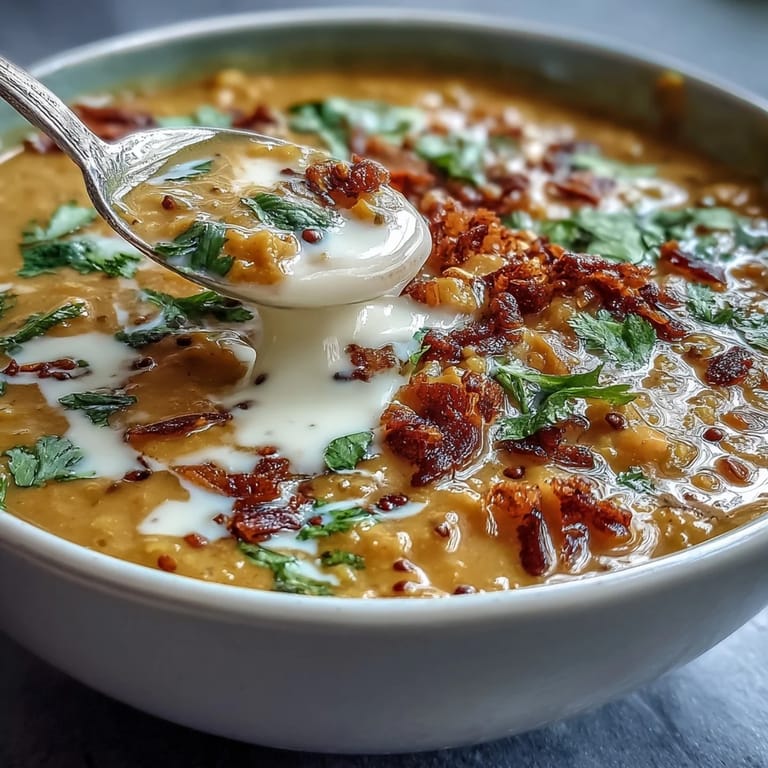
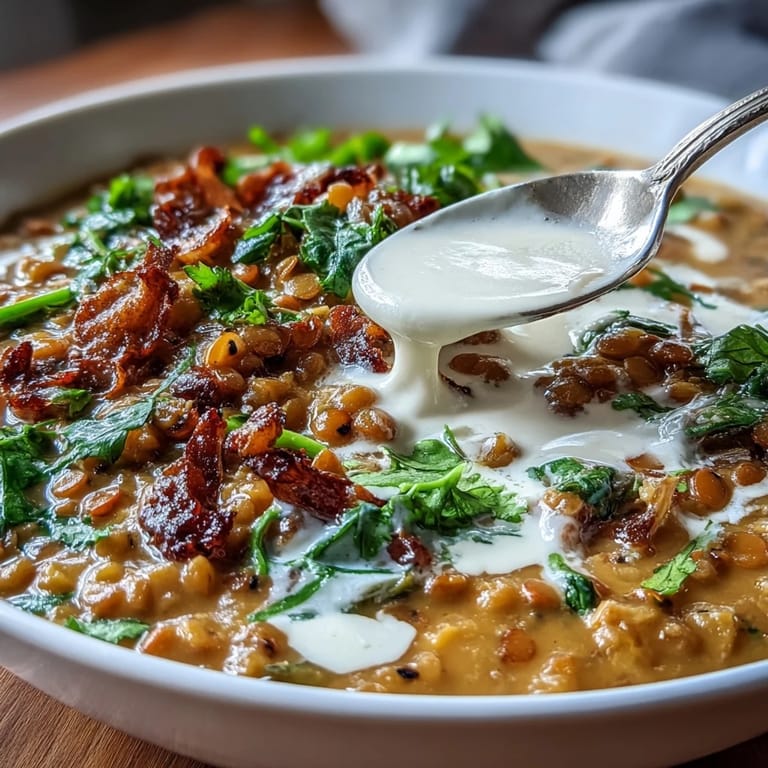
- The lentils should be completely soft and almost melting into a creamy texture when they're done. Stir in the lemon juice, taste, and adjust the seasoning—more salt, more lemon, whatever feels right.
- Bring it all together:
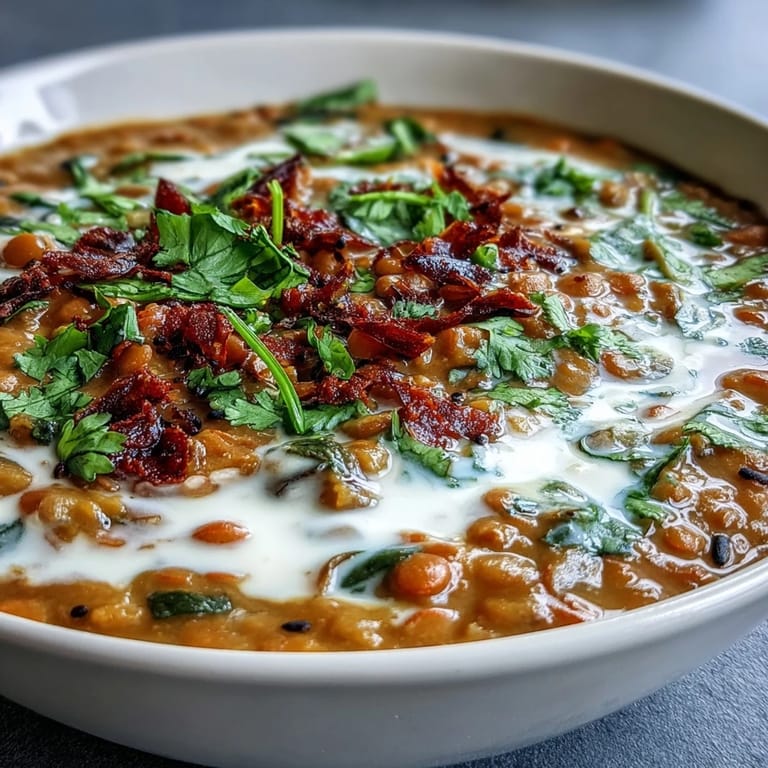
- Ladle the dhal into bowls, crown each serving with the roasted cauliflower, and scatter fresh cilantro on top.
 Pin This
 There's something about serving this on a rainy day that feels like an act of care, whether you're feeding yourself or someone else. The combination of warmth, spice, and texture somehow makes ordinary evenings feel a little less ordinary.
How to Get the Cauliflower Just Right
The difference between mushy roasted cauliflower and golden, crispy florets comes down to two things: even sizing and proper spacing. I learned this the hard way after crowding a pan and ending up with steamed vegetables instead of roasted ones. Cut your florets so they're roughly the same size, spread them out with breathing room between them, and resist the urge to open the oven door more than once—that moisture loss is what gives you those caramelized edges.
Making This Meal Your Own
The spice amounts I've given are starting points, not commandments. If you love heat, add more green chili or a pinch of cayenne pepper. If you prefer gentler flavors, reduce the ginger or skip the chili altogether. I've made this dhal with butternut squash instead of cauliflower when that's what was in the house, and it was just as satisfying—the lentils are forgiving and work with whatever vegetables you pair them with.
Serving and Storage Tips
This dhal tastes even better the next day once the spices have had time to marry together, so it's an excellent meal to make ahead if you're planning. The roasted cauliflower is best eaten the same day, but you can prepare it a few hours in advance and reheat it gently in the oven just before serving. Serve with basmati rice, warm naan, or just by itself with a dollop of yogurt on the side if you're in the mood.
- For extra richness: Garnish with toasted cashews, pumpkin seeds, or a drizzle of good olive oil.
- Make it stretchy: If the dhal thickens too much when it sits, thin it with a splash of vegetable broth or water when you reheat it.
- Keep cilantro fresh: Add it just before serving rather than stirring it in, so it stays vibrant and doesn't wilt into the warmth.
 Pin This
 This is the kind of meal that nourishes you twice—once while you're eating it, and again when you remember how good it tasted. Make it when you need comfort, when you want to feed someone you care about, or when you just need a reminder that simple ingredients can create something truly satisfying.
Recipe FAQ
- → How do I store leftovers?
Store the dhal and roasted cauliflower separately in airtight containers in the refrigerator for up to 4 days. Reheat gently on the stove, adding a splash of water or broth if the lentils have thickened.
- → Can I make this ahead?
Yes, the dhal actually improves in flavor after a day or two. Make the lentil base up to 3 days ahead and reheat before serving. Roast fresh cauliflower when ready to eat for optimal texture.
- → What can I substitute for coconut milk?
Light coconut milk works well for a lighter version. For a coconut-free alternative, use additional vegetable broth or unsweetened plant-based milk, though the creaminess will differ slightly.
- → Is this suitable for meal prep?
Absolutely. Portion the dhal into containers and freeze for up to 3 months. Thaw overnight in the refrigerator and reheat. The cauliflower is best roasted fresh or reheated in the oven to maintain crispiness.
- → How can I add more protein?
Stir in cubed tofu during the last 10 minutes of simmering, or top with roasted chickpeas alongside the cauliflower. Cashews or pumpkin seeds as garnish also add protein and crunch.
- → Can I use other lentils?
Red lentils work best as they break down beautifully. Yellow lentils are a good alternative. Brown or green lentils hold their shape longer and will require more liquid and cooking time.