 Pin This
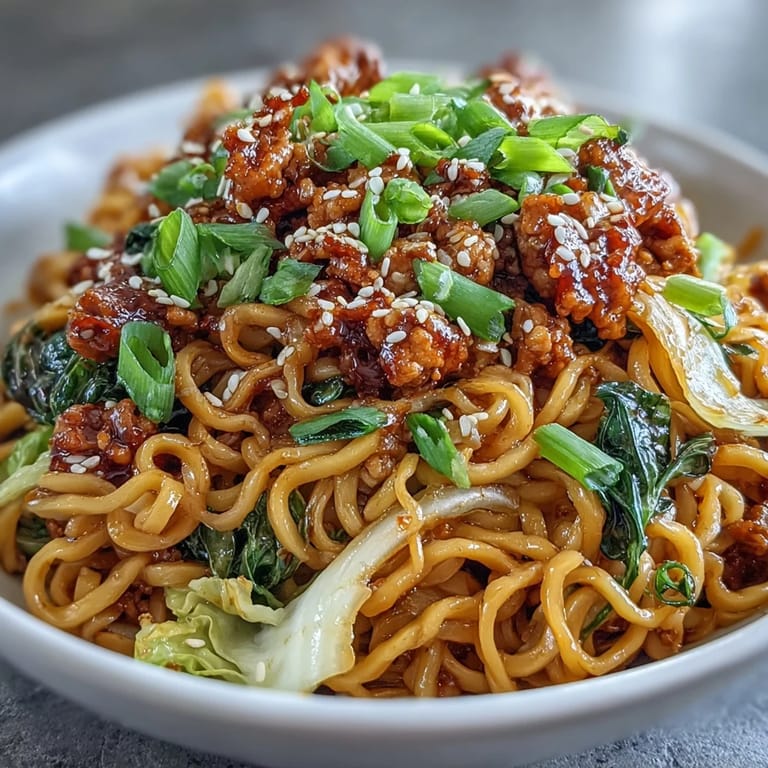
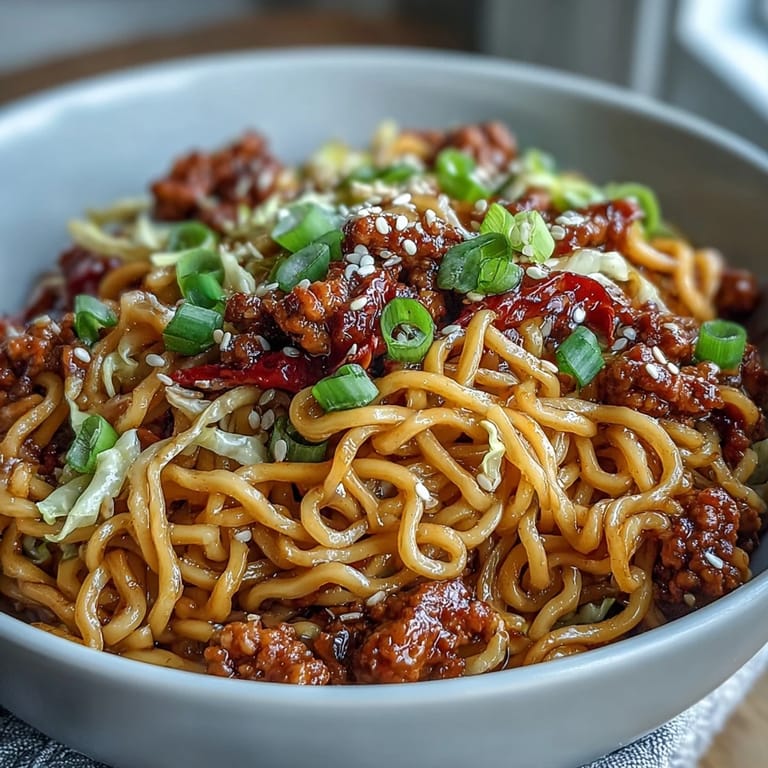
 My neighbor stopped by one Tuesday evening with a container of gochujang and said, "You need to try this stuff." I'd been stuck in a rut with the same weeknight proteins, so I grabbed ground turkey from the freezer and started experimenting. By the time the noodles hit the pan, the kitchen smelled like something I couldn't quite name but absolutely craved. That one suggestion turned into this dish, which now appears on my table whenever I need dinner fast but don't want it to feel rushed.
I made this for my sister's family last month, and her kids actually asked for seconds without negotiation. That's when I knew the Korean-fusion angle was working, because most of my cooking experiments get the polite smile treatment. Watching them eat quickly and happily, I realized this dish has that rare quality of feeling special while being simple enough to repeat.
Ingredients
- Ground turkey (1 lb): Leaner than beef and lighter than chicken thighs, it takes on the sauce beautifully without overwhelming the other flavors.
- Fresh or dried wheat noodles (10 oz): Udon or ramen work best because they're sturdy enough to hold the sauce and don't turn to mush when you toss everything together.
- Shredded carrots (1 cup): The natural sweetness balances the spice, and they cook down just enough to soften without losing texture.
- Red bell pepper (1): Adds brightness and a slight sweetness that echoes the brown sugar in the sauce without needing extra seasoning.
- Small onion (1), thinly sliced: Sweet onions caramelize slightly in the heat and bring depth that raw onions can't match.
- Napa cabbage (2 cups shredded): It wilts into the noodles and creates this subtle, almost silky texture that makes the whole dish feel more refined.
- Green onions (2), sliced: Use them both in the pan and as garnish so you get fresh onion flavor throughout.
- Soy sauce (3 tbsp): The backbone of the sauce, providing that salty umami foundation everything else builds on.
- Gochujang (2 tbsp): This Korean chili paste is where the magic happens, giving heat that's complex rather than just spicy, with a subtle fermented depth.
- Sesame oil (1 tbsp): Just enough to add richness and that toasted aroma without making the dish feel greasy.
- Brown sugar (1 tbsp): It dissolves into the sauce and rounds out the flavors, preventing the whole thing from tasting too sharp or one-dimensional.
- Garlic (2 cloves, minced): Fresh garlic brings a sharpness that mellows as it cooks, becoming almost sweet and integral to the sauce.
- Rice vinegar (1 tbsp): A splash of acid that brightens everything and keeps the sauce from sitting heavy in your stomach.
- Ginger (1 tsp, freshly grated): The ginger adds a subtle warmth and digestive quality that feels right alongside the other ingredients.
- Toasted sesame seeds (1 tbsp for garnish): These aren't just decoration, they add a nutty finish that makes people ask what makes the dish taste so complete.
Tired of Takeout? 🥡
Get 10 meals you can make faster than delivery arrives. Seriously.
One email. No spam. Unsubscribe anytime.
Instructions
- Build your flavor base:
- In a small bowl, whisk soy sauce, gochujang, sesame oil, brown sugar, minced garlic, rice vinegar, and ginger until the gochujang softens and everything melds together smoothly. This is your sauce, and it should smell assertive and ready.
- Cook the noodles:
- Follow the package instructions for your chosen noodles, then drain and rinse them under cold water to stop them from sticking together. Set them aside on a plate or in a bowl so they're ready when you need them.
- Brown the turkey:
- Heat your skillet or wok over medium-high heat with a drizzle of oil, then add the ground turkey and break it apart as it cooks for 4 to 5 minutes. You're looking for no pink inside and some browning on the edges, which deepens the flavor.
- Stir-fry your vegetables:
- Add the sliced onion, shredded carrots, and sliced bell pepper, stirring constantly for 2 to 3 minutes until they begin to soften but still have some snap. After that window, add the cabbage and cook for another 2 minutes, tossing so everything heats evenly.
- Bring it together with sauce:
- Pour your prepared sauce over the turkey and vegetables, tossing constantly for about a minute so the sauce coats everything and the flavors start mingling. You'll notice the pan get glossy and smell irresistibly fragrant.
- Add the noodles and finish:
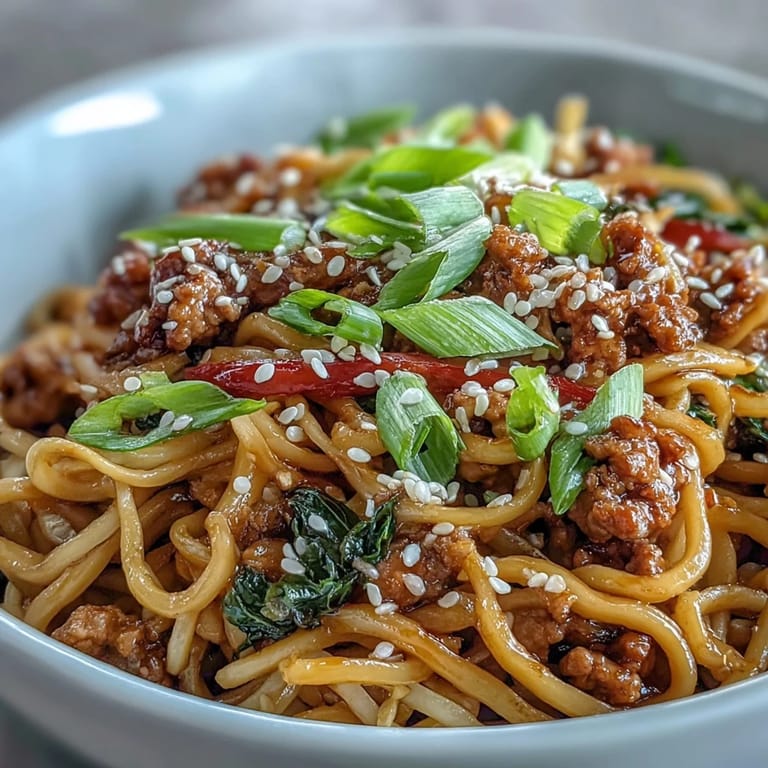
- Tip the cooked noodles into the skillet and toss everything together, stirring and lifting for 2 to 3 minutes until the noodles are heated through and every strand glistens with sauce. The whole dish should feel cohesive and hot.
- Plate and garnish:
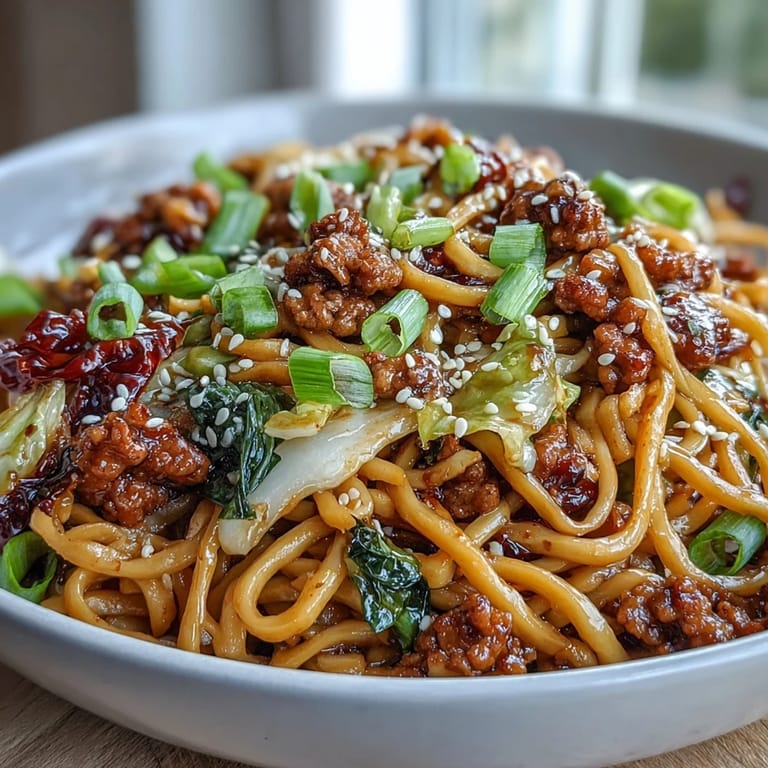
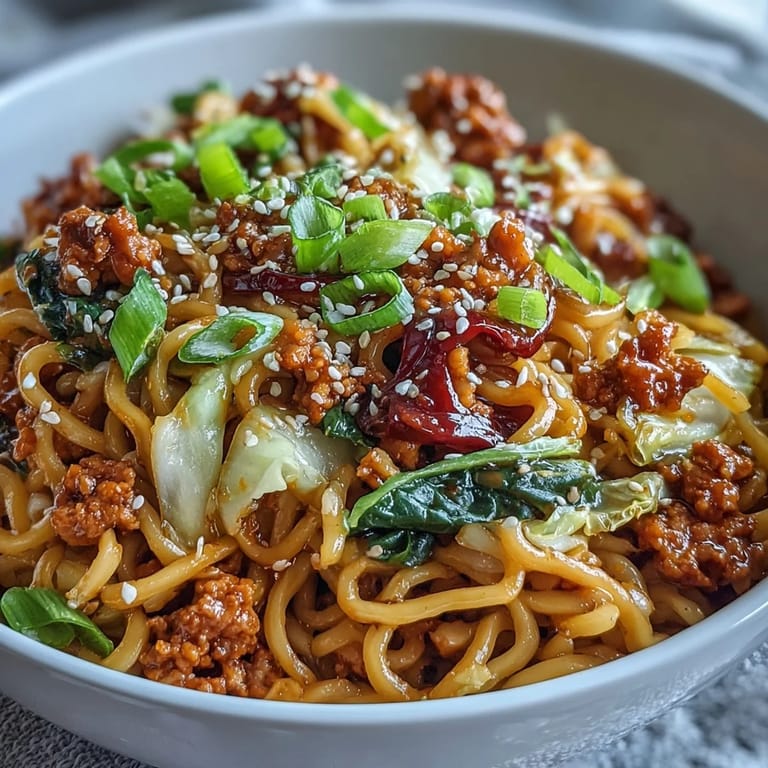
- Transfer to bowls or plates, scatter toasted sesame seeds over the top, and add extra sliced green onions if you like the fresh onion bite. Serve hot and watch people eat faster than expected.
 Pin This
  Pin This
 Last weekend I made this on a lazy Sunday afternoon with no particular plan, just ingredients I had on hand. My partner wandered into the kitchen halfway through and ended up staying to watch, asking questions about each step, and by the time we sat down to eat, it felt less like a weeknight dinner and more like something we'd chosen to celebrate together.
Building the Perfect Sauce
The sauce is where this dish separates itself from simple stir-fries, and understanding how it works changes how you approach it. Gochujang is fermented, which means it brings a complexity that fresh chili powder never could, and when you whisk it with soy sauce and sesame oil, you're creating layers of flavor that develop as you cook. The brown sugar and vinegar balance each other, the garlic and ginger provide warmth, and the ratio matters because too much gochujang turns the dish bitter while too little makes it taste one-dimensional. I've learned that this sauce benefits from sitting for a minute after whisking, so the gochujang fully dissolves and the flavors have a moment to recognize each other.
Why Ground Turkey Works Here
Ground turkey gets unfairly labeled as boring or dry, but in this dish it shines because the sauce is rich enough to support it and the noodles provide body. Unlike ground beef, it won't feel heavy after you eat a full bowl, and unlike ground chicken, it holds its structure when you break it apart in the pan. The key is not overcooking it, which happens if you keep stirring after it browns, so once the meat breaks apart and loses its pink color, step back and let it sit for 30 seconds before stirring again.
Customizing the Heat Level and Other Variations
This recipe sits at a comfortable medium heat that most people enjoy, but heat preference is personal so adjust confidently. If you like spice, add a teaspoon of gochugaru (Korean chili flakes) when you pour in the sauce, or if you prefer milder, reduce the gochujang to 1 and a half tablespoons and add an extra half tablespoon of soy sauce for depth. You can also swap the ground turkey for ground chicken, beef, or even pork depending on what you have, and the cooking time stays the same. For vegetarian versions, omit the turkey and add 12 ounces of mushrooms, diced tofu, or edamame, which gives you similar texture and protein without the meat.
- Gluten-free eaters should use tamari instead of soy sauce and swap wheat noodles for rice noodles or a gluten-free alternative.
- If you can't find gochujang, sambal oelek works as a substitute, though the flavor profile shifts slightly toward simpler heat.
- The sesame oil can't be replaced with regular oil because it's essential to the Korean-fusion identity of this dish.
 Pin This
  Pin This
 This dish has become my answer to the question "What should we make tonight?" when nobody wants takeout but everyone wants something that tastes like it took real effort. Make it once and it becomes part of your rotation, the kind of meal that feels both special and doable on any given evening.
Recipe FAQ
- → What makes this dish Korean-inspired?
The gochujang (Korean chili paste) provides the signature Korean flavor, combined with soy sauce, sesame oil, garlic, and ginger. This sauce creates the perfect balance of sweet, spicy, and savory notes typical of Korean cuisine.
- → Can I make this dish gluten-free?
Yes, substitute the wheat noodles with rice noodles and use gluten-free tamari instead of regular soy sauce. Always check your gochujang label as some brands may contain wheat.
- → What type of noodles work best?
Udon and ramen noodles both work excellently. Fresh noodles have better texture, but dried noodles are perfectly fine. Just cook them al dente since they'll be stir-fried briefly.
- → How spicy is this dish?
The spice level is moderate with 2 tablespoons of gochujang. You can adjust the heat by adding more gochujang or gochugaru (Korean chili flakes) for extra spice, or reduce the amount for a milder version.
- → Can I prepare the sauce in advance?
Absolutely! The sauce can be whisked together and stored in an airtight container in the refrigerator for up to a week. This makes the actual cooking process even faster on busy nights.
- → What protein alternatives can I use?
Ground chicken, beef, or pork all work well as substitutes. For a vegetarian version, use crumbled tofu or just increase the vegetables. The cooking time may vary slightly depending on your protein choice.