 Pin This
 There's something about the smell of cinnamon rolls baking that stops time in my kitchen. Years ago, my neighbor knocked on my door mid-morning with flour still dusting her apron, asking if I wanted to learn how she made hers from scratch. I'd always thought they were too fussy, too bakery-exclusive, but watching her unfold that warm dough and swirl it with butter and cinnamon something clicked. Now they're my answer to almost any occasion, whether someone needs comfort food or I'm trying to impress.
I made these for my sister's birthday breakfast last spring, and I remember her sitting at the kitchen table in her pajamas, eating one straight off the cooling rack while the glaze was still dripping. She closed her eyes with that first bite and didn't say anything for a solid minute. That silence was worth every bit of the waiting and the kneading.
Ingredients
- All-purpose flour (4 cups): This is your foundation, and measuring by weight keeps things consistent, though scooping and leveling works fine too.
- Active dry yeast (1 packet): Make sure it's fresh and stored in a cool place; old yeast is the silent saboteur of disappointed dough.
- Whole milk (1 cup), lukewarm: Lukewarm means about body temperature, like you're testing a baby's bathwater, not steaming hot.
- Granulated sugar (⅓ cup): This feeds the yeast and sweetens the dough just enough without making it cake-like.
- Unsalted butter, melted (¼ cup): Melted butter blends smoothly into the dough and gives it that tender crumb.
- Large egg (1), room temperature: Cold eggs can shock the dough, so pull it out a bit before you start mixing.
- Salt (½ tsp): This balances the sweetness and strengthens the gluten network in subtle ways.
- Brown sugar, packed (½ cup): Brown sugar's molasses creates deeper, richer flavor than white sugar ever could in the filling.
- Ground cinnamon (2 tbsp): Don't skimp here; this is where the magic lives, and fresh cinnamon makes a noticeable difference.
- Unsalted butter, softened (¼ cup): For the filling, softened butter spreads without tearing the dough, unlike cold or melted.
- Powdered sugar (1 cup): The glaze base, and sifting it prevents lumps that can make the glaze grainy.
- Milk (2-3 tbsp): This thins the glaze to drizzling consistency, and you add it gradually so you can control the thickness.
- Pure vanilla extract (½ tsp): Pure vanilla tastes like home; the imitation version never quite gets there.
Tired of Takeout? 🥡
Get 10 meals you can make faster than delivery arrives. Seriously.
One email. No spam. Unsubscribe anytime.
Instructions
- Bloom your yeast:
- Combine lukewarm milk and yeast in a small bowl and let it sit for 5 minutes. You'll see it get foamy and bubbly, which is your signal that the yeast is alive and ready to work.
- Build the dough:
- In a large bowl, mix flour, sugar, and salt, then add melted butter, egg, and the yeast mixture. Stir until everything comes together into a shaggy dough.
- Knead until smooth:
- Transfer to a floured surface and knead for 8–10 minutes, working until the dough becomes smooth and elastic. It should spring back gently when you poke it.
- Let it rise:
- Place the kneaded dough in a greased bowl, cover it with a damp towel, and let it sit in a warm spot for about 1 hour until it's roughly doubled in size.
- Shape your rolls:
- Punch down the dough to release some gas, then roll it out into a 16x12 inch rectangle. Spread softened butter across the surface, then mix and sprinkle the cinnamon-brown sugar mixture evenly over it.
- Roll and slice:
- Starting from the long side, roll the dough into a tight log, then use a serrated knife or dental floss to slice it into 12 equal pieces. Dental floss doesn't drag through the dough the way a knife can.
- Second rise:
- Arrange the rolls in a greased 9x13 inch baking dish, cover loosely, and let them rise for 30–45 minutes until they're puffy and touching each other.
- Bake until golden:
- Bake at 350°F for 22–25 minutes until the tops are golden brown and the edges are set but still slightly soft.
- Make and drizzle the glaze:
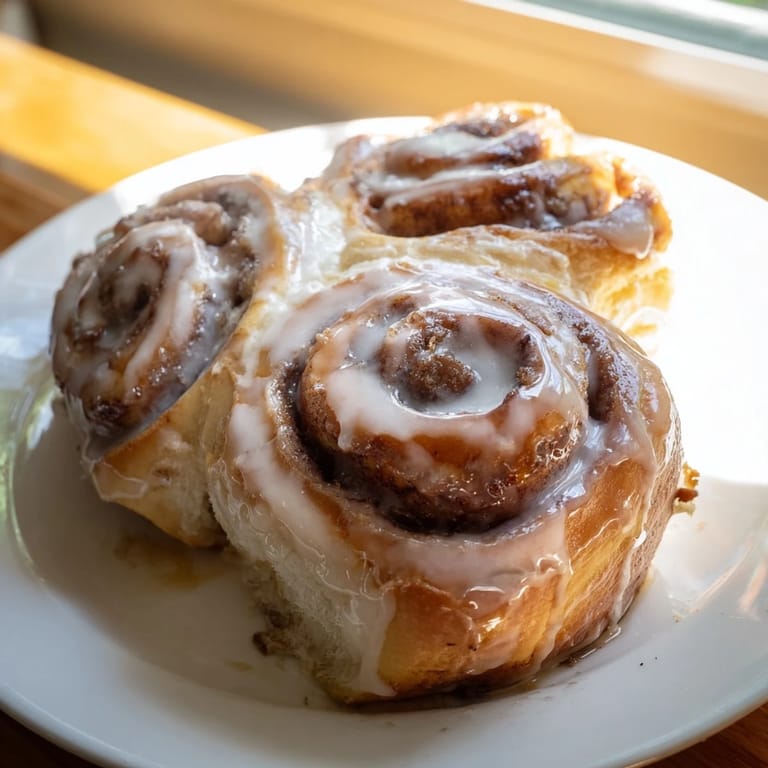
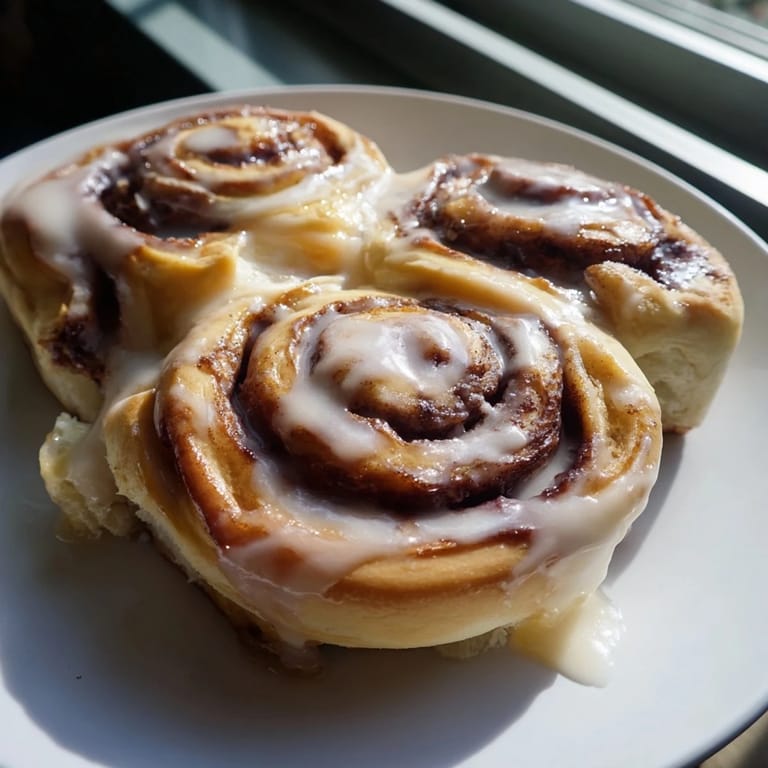
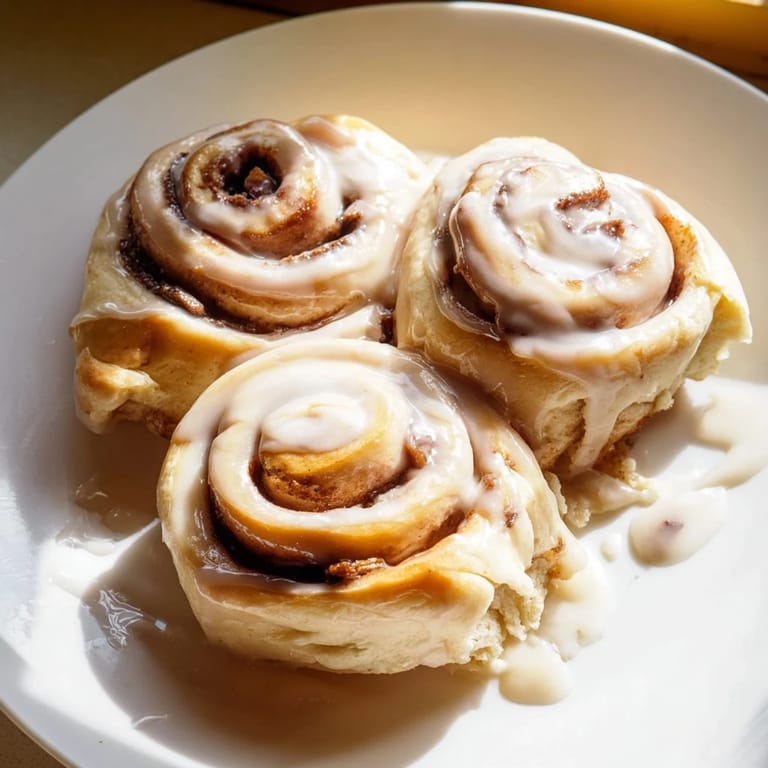
- While the rolls cool slightly, whisk together powdered sugar, milk, and vanilla until smooth. Drizzle it over the warm rolls so it soaks into all the crevices.
 Pin This
 One winter morning, I woke up early and made these for no reason other than wanting my house to smell that way. My partner came downstairs and just held me in the kitchen for a minute, both of us saying nothing while the rolls cooled. Food doesn't always need an occasion.
The Science of Soft Rolls
Soft rolls come down to three things: hydration, time, and a little fat. The milk and egg add moisture that keeps the crumb tender even after they cool, the long rise develops flavor and gluten strength without overworking the dough, and the butter coats the flour so the structure stays tender rather than tough. Understanding this means you know what to adjust if your rolls ever come out different than you expected.
Filling Variations That Work
Once you nail the basic recipe, the filling becomes your playground. Brown sugar and cinnamon are perfect, but I've swirled in chopped pecans or walnuts for crunch, scattered raisins soaked in warm water to plump them up, or even added a pinch of cardamom for something different. The butter-to-sugar ratio should stay roughly the same so the rolls don't slide apart or dry out.
Make-Ahead and Storage Wisdom
These rolls are best fresh but honest enough to live a second day. I've shaped them the night before, covered them tightly, and let them finish rising in the morning while I make coffee. You can also freeze them after shaping and before the second rise; just add 10 extra minutes to the bake time if baking from frozen.
- For extra richness, substitute half the milk with heavy cream for a denser, almost brioche-like texture.
- Gently reheat leftovers wrapped in foil at 300°F so they warm through without drying out.
- If you have day-old rolls, slice them horizontally and toast them with a little butter for something almost better than fresh.
 Pin This
 Cinnamon rolls are one of those recipes that feels more complicated than it is, which is exactly why they're so rewarding to master. Once you've made them a handful of times, they become muscle memory, something you can do half-asleep on a Saturday morning.
Recipe FAQ
- → What makes the buns soft and fluffy?
The combination of active dry yeast, warm milk, and proper kneading develops gluten and creates an airy dough that rises well, resulting in soft, fluffy buns.
- → How should I prepare the filling?
Mix brown sugar with ground cinnamon and spread softened butter evenly on the rolled dough before sprinkling the mixture to ensure even flavor in each swirl.
- → Can I add nuts or other fillings?
Yes, chopped nuts or raisins can be added to the filling for extra texture and taste variation.
- → What is the best way to slice the rolls evenly?
Using a serrated knife or dental floss, slice the rolled dough log into 12 equal pieces carefully to maintain the spiral shape.
- → How is the vanilla glaze made and applied?
Whisk together powdered sugar, milk, and pure vanilla extract until smooth, then drizzle over warm buns for a sweet, glossy finish.
- → How should leftovers be stored and reheated?
Store leftovers in an airtight container and gently reheat before serving to restore softness and warmth.