 Pin This
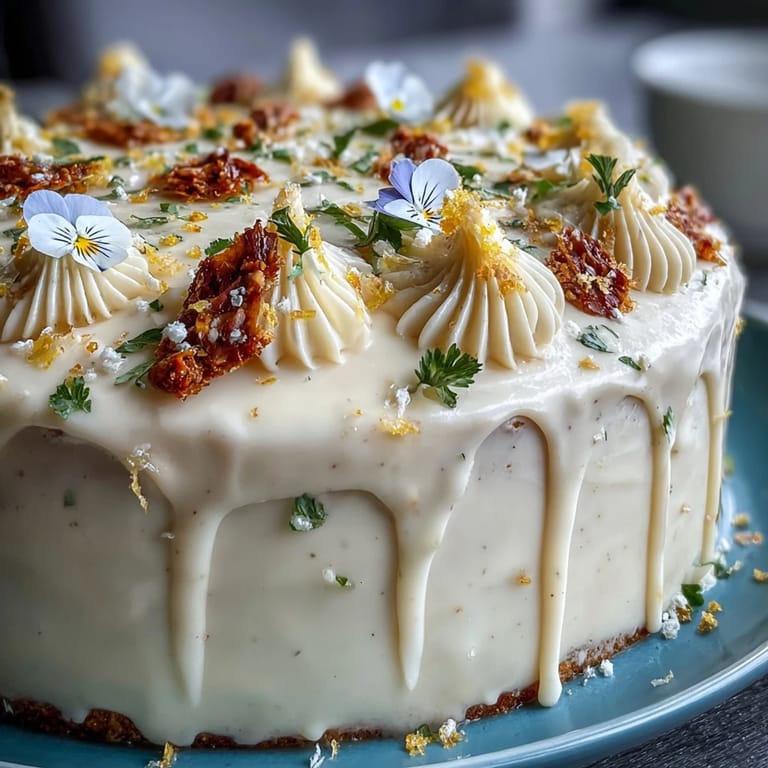
 Catching the scent of lemon zest in the air while sunlight spills into the kitchen always makes cakes feel extra special. I first tried layering delicate edible flowers on a lemon cake for a friend’s baby shower, unsure if the final effect would be charming or a cheerful mess. As I scraped batter from the bowl with a finger, I laughed remembering how a tangle of pansies once toppled right off my early attempts. There’s a gentle drama to smoothing frosting over the cooled cake while listening for distant laughter from the party room. Baking this Lemon Sunshine Cake turns even an ordinary afternoon into a celebration, especially with the promise of slicing into something beautiful and bright.
I once baked this cake for a work friend’s shower, nervously dusting stray sugar off my apron as guests peered in with curiosity. Someone tried a taste of the frosting before it made it to the cake, and we all ended up laughing at the lovely chaos that comes with a kitchen full of eager helpers.
Ingredients
- All-purpose flour: Gives the cake its light but sturdy structure; be sure to spoon and level it for the right texture.
- Baking powder and baking soda: These give rise and make the crumb tender, so double-check your measurements for a lofty, even cake.
- Salt: Balances the sweetness and heightens the lemony tang—just a little makes a difference.
- Unsalted butter: Room temperature butter creams beautifully, yielding a tender cake and a silky frosting.
- Granulated sugar: Sweetens and adds moisture; beating it well with the butter is key to a fluffy batter.
- Eggs: Bind everything and add richness—let them come to room temperature for smoother mixing.
- Lemon zest and juice: Fresh zest and juice bring the brightest flavor; I always zest before juicing to catch every bit.
- Vanilla extract: Just a splash rounds out the citrus and softens the tang.
- Buttermilk: Its gentle acidity ensures a moist crumb; if you don’t have it, you can sour milk with lemon juice.
- Cream cheese: For the frosting—let it fully soften to avoid lumps.
- Powdered sugar: Sift for extra fluffy frosting and lump-free spreading.
- Edible flowers: Make sure they’re food-safe and gently dried to sit prettily atop your masterpiece.
Tired of Takeout? 🥡
Get 10 meals you can make faster than delivery arrives. Seriously.
One email. No spam. Unsubscribe anytime.
Instructions
- Prep the Pans:
- Grease and line your cake pans with parchment, letting the baking paper hug the sides so nothing sticks.
- Mix the Dry Ingredients:
- Whisk together the flour, baking powder, baking soda, and salt—this step always smells faintly nutty and toasty.
- Cream Butter and Sugar:
- Beat the butter with sugar until the mix looks pale and fluffy, like thick clouds gathering in your mixer.
- Add Eggs and Flavor:
- Drop in eggs one after another, then stir in those fragrant ribbons of lemon zest, the fresh juice, and vanilla for a lively scent.
- Combine Wet and Dry:
- Alternate adding the flour mixture and buttermilk, starting and ending with flour; mix gently so the batter stays light.
- Fill and Bake:
- Spoon the batter into your pans, smoothing the tops, and bake for 28 to 32 minutes—your kitchen will smell like pure sunshine.
- Cool the Cakes:
- Let cakes rest in the pans, then turn them out onto a wire rack to finish cooling, resisting the urge to sneak a piece.
- Make the Frosting:
- Beat together cream cheese and butter, then gradually add powdered sugar until creamy; stir in lemon zest, juice, and vanilla.
- Assemble the Cake:
- Place one cake layer on a plate, spread with frosting, and stack the second; coat the top and sides smooth as you can.
- Add Floral Finish:
- Right before serving, place edible flowers gently on the cake so they keep their crisp color and charm.
 Pin This
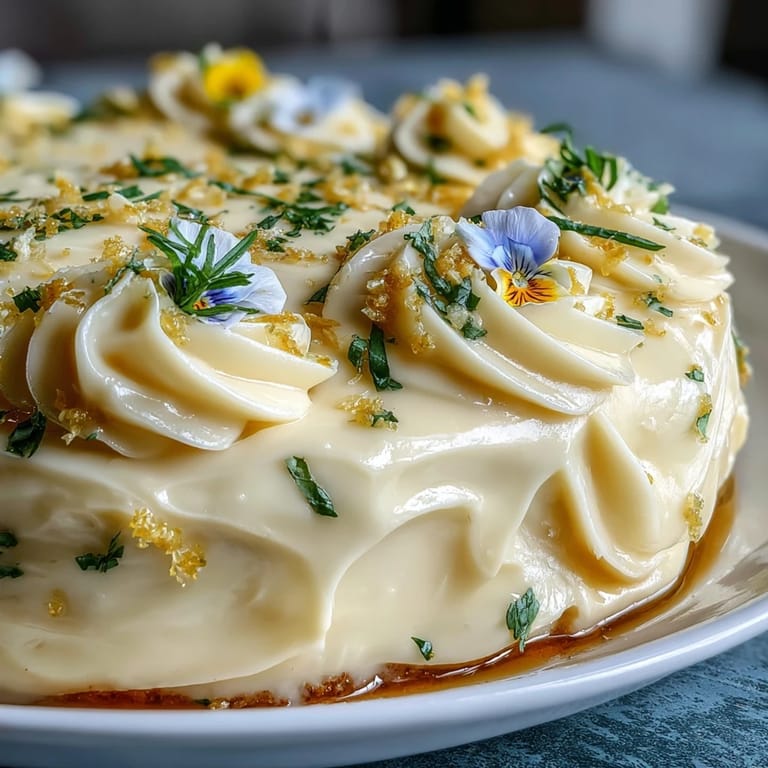
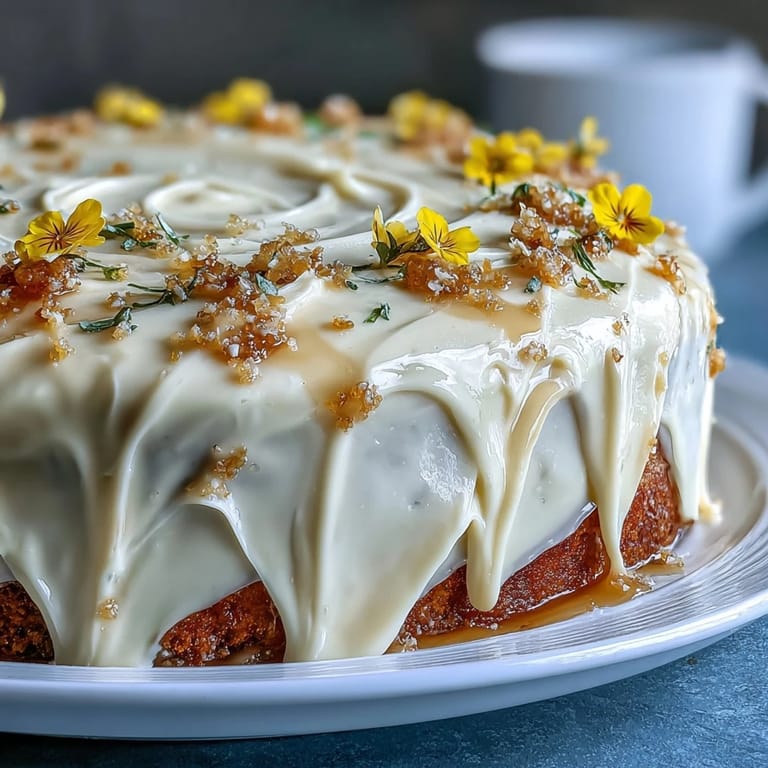
 When my friend walked in and spotted the crown of violets and pansies on her cake, for a moment, the whole room went quiet and beamed. Since then, no one believes me when I say the secret is simply taking your time and having a little fun with the decorations.
Decorating with Edible Flowers Felt Like Playing with Art Supplies
Arranging edible flowers on top turned out to be my favorite part—the colors pop against the frosting like a spring bouquet. Laying out the blooms in patterns or random clusters can spark unexpected beauty, and even a little asymmetry looks stunning.
How to Get Frosting Silky and Smooth
If your cream cheese or butter feels the slightest bit cold, set the bowl over warm water for a minute. Sifting the powdered sugar helps, but mostly, persistence with a spatula yields the most pillowy, spreadable finish.
Keeping Cake Layers Moist and Fluffy Every Time
Even on rainy days, I wrap cooled cake layers tightly in plastic wrap if I’m frosting later—they stay wonderfully fresh and easier to handle. Cutting across the layers with a long serrated knife helps them stack evenly for that clean, professional look.
- Only decorate with flowers just before serving for brightest color.
- If cake looks domed, gently trim for flat layers before stacking.
- Don’t stress—lemon frosting covers a multitude of quirks.
 Pin This
 May this cake add as much color and joy to your celebration as it brought to mine. The best part is sharing those slices, laughter and all.
Recipe FAQ
- → How do I check the cake is done?
Bake 28–32 minutes and insert a toothpick into the center; it should come out with a few moist crumbs but no wet batter. The top should spring back slightly when touched.
- → How can I keep the crumb tender?
Use room-temperature eggs and butter, alternate adding dry ingredients with buttermilk, and mix just until combined to avoid overworking the batter.
- → How do I get a smooth, stable cream cheese frosting?
Beat room-temperature cream cheese and butter until smooth, add sifted powdered sugar gradually, then mix in lemon zest and juice. Chill briefly if it feels too soft before spreading.
- → Are edible flowers safe to use?
Use only edible, unsprayed flowers from a trusted source. Wash and dry them thoroughly and remove any inedible parts (stems/pistils) before placing on the cake.
- → Can I make the cake layers ahead of time?
Yes. Bake layers a day ahead, wrap them tightly at room temperature, and assemble the frosted cake the next day. Frosted cakes keep best chilled and should be brought to room temperature before serving.
- → How can I reduce sweetness in the frosting?
Reduce powdered sugar slightly and boost lemon zest for brightness. Chilling the frosting can also help it set without needing extra sugar for structure.