 Pin This
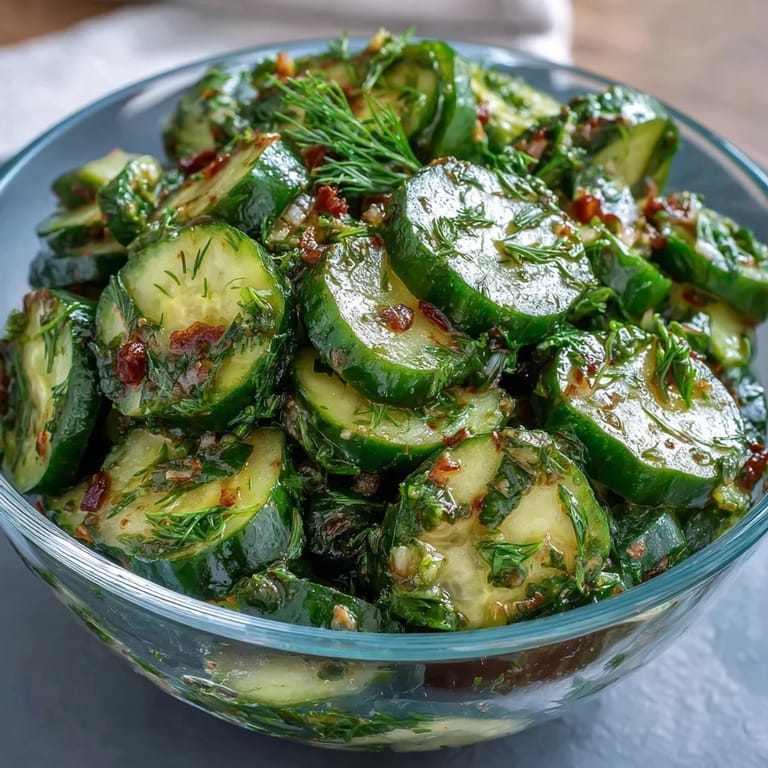
 There's something about spring that makes you want to slice things thin and raw, and that's exactly when this salad found its way into my kitchen—during one of those mornings where the farmer's market suddenly had radishes the size of golf balls and cucumbers so crisp they practically sang when I bit into one. My neighbor had mentioned she was bringing a dish to a potluck and asked what pairs well with grilled fish, and before I could think twice, I was already home testing a dill vinaigrette that reminded me of something my grandmother used to make, except brighter and less fussy. The first time I made it, I left the salad sitting for exactly five minutes before diving in, which was a mistake—waiting those extra minutes made all the difference in how the flavors settled into the vegetables.
I made this for a dinner party last June when one of those rare perfect evenings happened—everyone sitting outside, the light turning golden, and someone asking for seconds without being asked. That's when I knew the vinaigrette had actually worked, that the balance of mustard and honey and dill felt intentional rather than accidental. My friend brought it up months later, saying she'd been trying to recreate it, which made me realize some recipes stick with people for reasons that have nothing to do with technique.
Ingredients
- Cucumbers (2 large, thinly sliced): Choose firm ones with thin skin if you can find them, and slice them at a slight angle for a more elegant look that catches the light on the plate.
- Radishes (6, thinly sliced): They're the peppery backbone of this salad, and slicing them thin means they stay crisp rather than turning tough and woody.
- Scallions (2, thinly sliced): Don't skip these—they add a subtle onion note that keeps the salad from feeling one-dimensional.
- Extra virgin olive oil (3 tablespoons): The quality matters here since there's nowhere for mediocre oil to hide; use something fruity that you actually enjoy tasting on its own.
- White wine vinegar (1 tablespoon): It's bright without being aggressive, but apple cider vinegar works beautifully if that's what you have, just use slightly less.
- Dijon mustard (1 teaspoon): This acts as an emulsifier, helping the vinaigrette cling to the vegetables rather than pooling at the bottom.
- Honey (1 teaspoon): A small amount balances the vinegar's sharpness and prevents the dressing from tasting too austere.
- Fresh dill (2 tablespoons, finely chopped): Fresh is non-negotiable here—dried dill turns dusty and bitter, while fresh dill brings a clean, almost mineral quality to the whole dish.
- Salt and black pepper: Taste as you go; the vegetables will release their own moisture, which can dilute the seasoning.
Tired of Takeout? 🥡
Get 10 meals you can make faster than delivery arrives. Seriously.
One email. No spam. Unsubscribe anytime.
Instructions
- Slice and combine your vegetables:
- Use a sharp knife or mandoline to get the cucumbers and radishes as thin as possible without shredding them—uniformity matters because it helps everything dress evenly. Toss them into a bowl with the scallions and set aside.
- Build the vinaigrette:
- Pour the olive oil, vinegar, mustard, honey, and dill into a small jar or bowl and whisk until the mixture turns pale and slightly thickened, which means the mustard has done its job as an emulsifier. This takes about thirty seconds of decent whisking, not aggressive, just steady.
- Season and dress:
- Taste the vinaigrette on your finger or a tiny piece of cucumber—it should feel bright and balanced, not too sharp—then adjust the salt and pepper accordingly. Pour it over the vegetables and toss gently but thoroughly so everything gets coated.
- Let it rest:
- This is the hardest part but also the most important: wait five to ten minutes before serving, which lets the vegetables soften slightly and the flavors meld into something cohesive. Your instinct will be to eat it immediately, but resist.
- Serve:
- The salad is good cold, at room temperature, or anything in between—top with extra dill and a crack of pepper if you're feeling fancy. It keeps refrigerated for up to two days, though it's best eaten the day you make it.
 Pin This
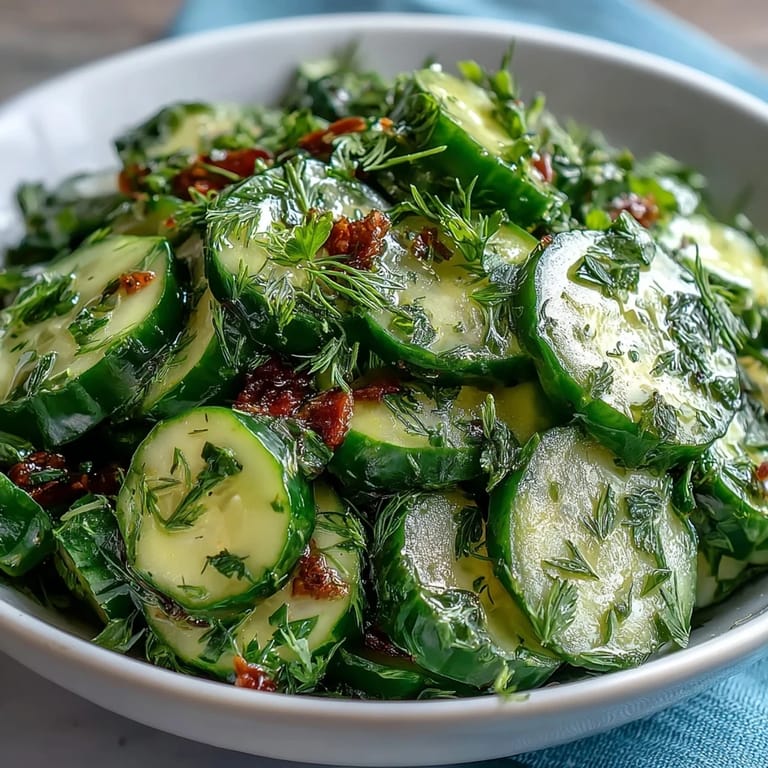
 There was a Tuesday lunch where I made this salad without really thinking about it, just something to go alongside leftover roasted chicken, and my daughter asked for her own bowl—which meant something, given that she usually moves vegetables around rather than eating them. It reminded me that the simplest dishes often matter more than the complicated ones, especially when someone you love asks for seconds without being prompted.
Why This Works as a Spring Dish
Spring vegetables taste different than their summer counterparts—lighter, more delicate, with a crispness that doesn't need much help. This salad honors that by keeping everything raw and treating the ingredients with respect rather than masking them in heavy dressings. The dill especially connects to that season, bright and alive in a way that feels seasonal rather than available-year-round.
Pairing and Serving Ideas
I've served this alongside grilled fish, roasted chicken, lamb chops, and even as a light lunch on its own with good bread and a slice of cheese. It's the kind of salad that doesn't demand to be the star—it's happiest playing a supporting role, refreshing your palate between bites of something richer. The acidity and crunch make it particularly good with anything cooked in butter or olive oil, cutting through richness without apology.
Storage and Make-Ahead Notes
You can slice the vegetables hours ahead and keep them in the refrigerator in separate containers, which is honestly how I often prep for dinner parties. The vinaigrette is best made fresh, but it won't hurt to prepare it an hour or two early as long as you shake it well before using. Just combine everything in a jar and don't dress the salad until right before serving or you'll end up with soggy cucumbers and disappointed guests.
- Store leftover salad in an airtight container for up to two days, though the vegetables will gradually soften.
- If you're doubling the recipe for a crowd, make the vinaigrette in the same proportions rather than eyeballing it.
- The beauty of this recipe is that you can adjust the dill, vinegar, or honey to suit your taste without worrying you've ruined it.
 Pin This
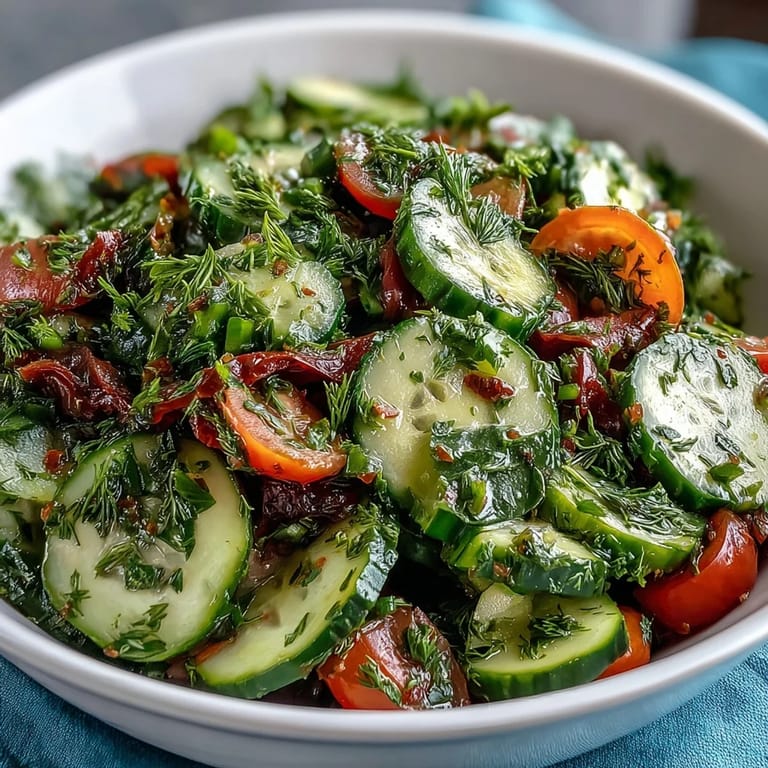
 This salad has quietly become one of those dishes I return to without planning, the culinary equivalent of an old friend you always have something to talk about with. There's grace in simplicity when the ingredients are good and the technique is honest.
Recipe FAQ
- → What vegetables are used in this salad?
Thinly sliced cucumbers, radishes, and scallions form the base of this crisp salad.
- → How is the vinaigrette prepared?
Whisk together extra virgin olive oil, white wine vinegar, Dijon mustard, honey, and fresh dill until emulsified, then season with salt and pepper.
- → Can this salad be served warm?
It is best served chilled or at room temperature to maintain its refreshing quality.
- → Are there any suggested additions for extra crunch?
Thinly sliced celery or fennel can be added for additional texture and flavor.
- → What dishes pair well with this salad?
This salad complements grilled fish or roasted chicken, enhancing light meal options.