 Pin This
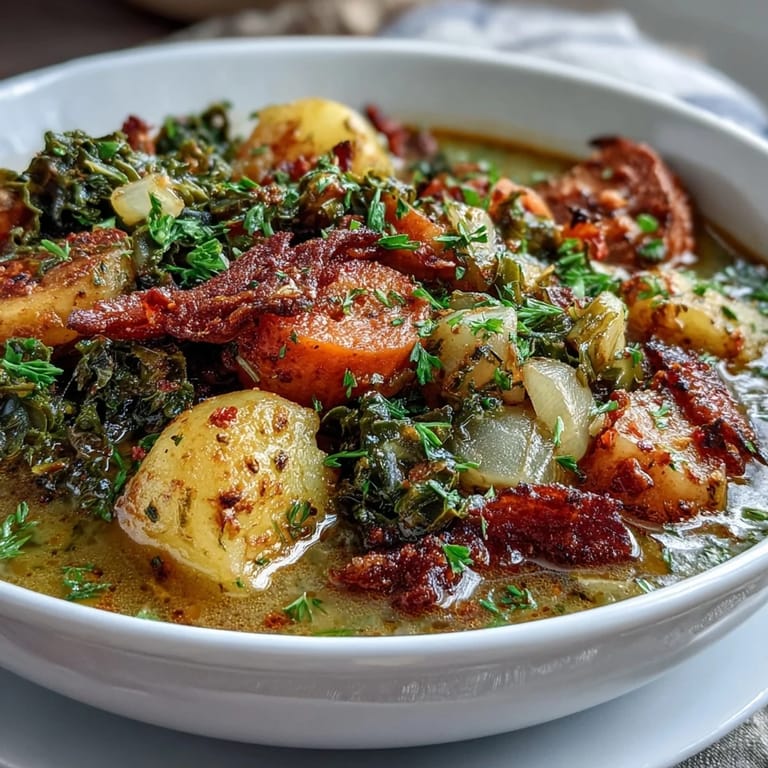
 My grandmother used to say that a proper stew tells you everything about who's cooking it, and this black-eyed pea and collard green combination was her answer to almost everything—a cold snap, a tired Tuesday, or when the family needed reminding that simple food could hold more comfort than any words. The first time I made it without her standing beside me, I burned the garlic trying to rush it, and somehow that mistake taught me to slow down and actually listen to the pot sizzle. Now whenever that smoky paprika hits the heat, I'm right back in her kitchen, understanding that soul food isn't just about the ingredients, it's about the attention you give them.
There's this moment that happens every winter when someone arrives at your door cold and hungry, and you realize you have exactly what you need to make them feel better—that's what this stew became for me. I made it for my neighbor's kid who was going through a rough patch, and watching her expression shift from blank to genuinely comforted by something warm and real reminded me why I cook at all.
Ingredients
- Olive oil: Use a good quality one here since it's not cooked off quickly—it becomes part of the flavor foundation.
- Yellow onion: The sweetness matters; don't skip this or rush the sauté because these release their sugars slowly and set the tone for everything else.
- Garlic: Three cloves sounds modest but trust it, and watch carefully because garlic burns faster than you'd think and turns bitter.
- Carrots and celery: These are your aromatic base, the holy trinity's steady backbone that nobody talks about but everybody tastes.
- Jalapeño: Optional but I keep it optional for a reason—you can always add heat, but you can't take it back once it's in.
- Collard greens: Buy them fresh if you can find them; the frozen ones work but they lose something intangible in the process, though they're still fine in a pinch.
- Diced tomatoes: Use the canned version with juices—fresh tomatoes can be watery and you need the acidity that comes from canning.
- Black-eyed peas: Canned and rinsed works perfectly well, but if you cook them from dried, you get a creamier texture that absorbs the broth better.
- Vegetable broth: Low-sodium means you control the salt level, which matters more than you think when something simmers for nearly an hour.
- Smoked paprika: This is the secret ingredient that makes people ask what gives it that depth, even in a vegetarian version.
- Dried thyme and bay leaves: They work together to build an earthy undertone that keeps the stew from tasting one-dimensional.
- Apple cider vinegar: Added at the end, it brightens everything up and wakes up flavors that had been mellowing out together.
Tired of Takeout? 🥡
Get 10 meals you can make faster than delivery arrives. Seriously.
One email. No spam. Unsubscribe anytime.
Instructions
- Build your base:
- Heat the olive oil in your pot over medium heat and listen for that gentle sizzle when the onions hit it. Add your onion, carrots, celery, and jalapeño if using, and let them soften together for about 6 to 8 minutes—you're looking for the onions to turn translucent at the edges and the whole kitchen to smell like you're doing something intentional.
- Wake up the garlic:
- Once the vegetables are soft, add your minced garlic and stir constantly for just one minute. This quick cook mellows the garlic's sharpness without letting it burn, which changes everything about the final taste.
- Toast the spices:
- Sprinkle in your smoked paprika, thyme, cayenne if using, salt, and black pepper, then stir for about a minute. This blooming technique releases the spices' essential oils into the hot oil, distributing them evenly instead of having them sit raw throughout the pot.
- Wilt the greens:
- Add your chopped collard greens and stir them into the hot vegetables for 3 to 4 minutes. They'll go from this substantial pile to something almost unrecognizable, which is exactly the point—they're breaking down and releasing their own deep flavor into the mix.
- Bring it together:
- Pour in your tomatoes with their juices, the black-eyed peas, vegetable broth, water, and bay leaves. Stir everything to combine so nothing's stuck to the bottom, then turn up the heat until you see movement and steam rising.
- Let it rest:
- Once it's simmering, lower your heat to low, cover the pot with a lid, and let it cook undisturbed for 45 to 50 minutes. This is when all the flavors finally find each other, when the broth deepens and the greens become tender, and when you can smell something genuinely soul-satisfying wafting through your home.
- Finish and taste:
- Remove the bay leaves carefully, then stir in your apple cider vinegar. Taste it now—this is your moment to adjust salt or pepper, add more cayenne if you want more kick, or balance it however feels right to you.
 Pin This
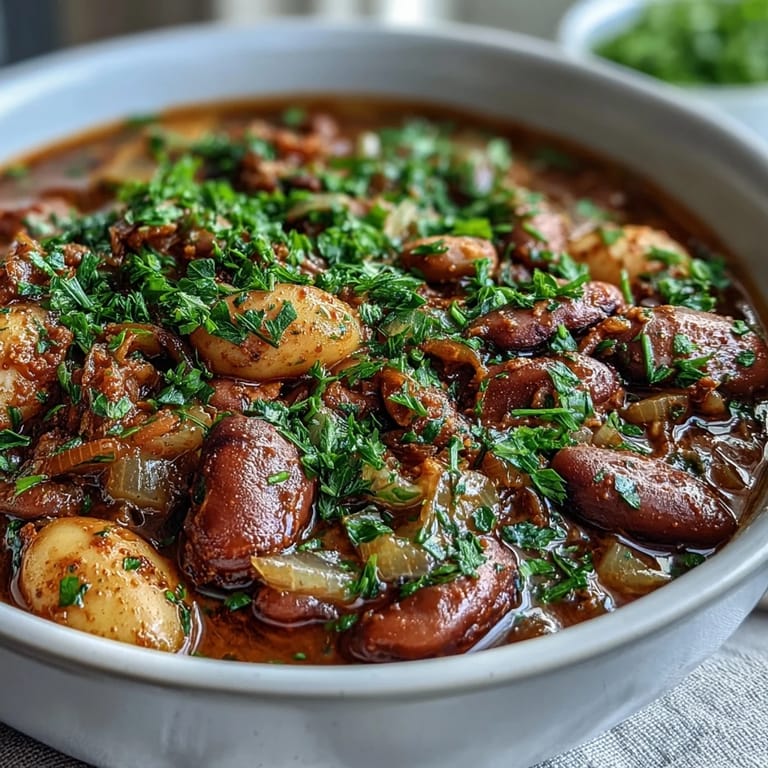
 There's something sacred about feeding people a dish that's been made the same way for generations, and that's what this stew became to my table. Every person who's eaten it has asked for the recipe, and I always make sure to tell them the part about listening to the pot and respecting the greens.
Why This Stew Feels Like Home
Soul food isn't a category, it's a philosophy—taking simple, humble ingredients and treating them with such care and intention that they become something that fills you in ways that have nothing to do with hunger. This stew embodies that philosophy completely, combining vegetables that cost almost nothing with beans that feed you on every level, all brought together by spices that whisper rather than shout. What makes it soul food is the time you give it, the temperature you keep it at, and the understanding that you're not just cooking lunch, you're creating a moment.
Serving and Storage Wisdom
Serve this stew hot in deep bowls with a crusty piece of cornbread on the side—something about the bread cutting through the richness makes it feel complete. It keeps beautifully in the refrigerator for up to five days, and honestly tastes even better on day three when all the flavors have merged into something cohesive and settled. You can also freeze it in portions for whenever you need that instant reminder that someone cares about you enough to have made something nourishing.
Making It Your Own
This recipe is sturdy enough to handle your adjustments and creative additions without falling apart. If you want to add smoked turkey or ham, brown about 4 ounces of diced meat with the vegetables at the beginning and let its flavor permeate everything else. You can also experiment with the heat level—some people never use the jalapeño and instead add a cayenne kick, while others layer in hot sauce right at the table so everyone gets to choose their own intensity. The vinegar at the end is your wildcard too; some versions use a squeeze of fresh lemon juice instead, which creates a brighter finish without the molasses undertone that apple cider brings.
- Consider adding a splash of liquid smoke if you want that smokehouse flavor without adding actual meat.
- Swap the water for a richer mushroom broth if you're feeling luxurious and want deeper umami notes.
- Leftover stew becomes an incredible base for grain bowls or can be thinned with extra broth and transformed into a soup.
 Pin This
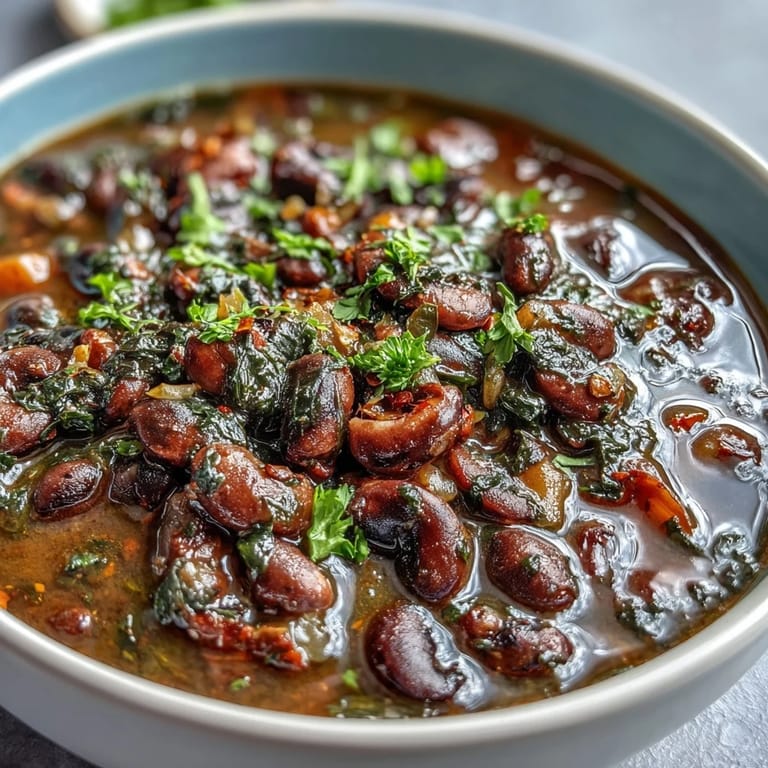
 This stew has taught me that the best cooking doesn't require fancy techniques or rare ingredients, just respect for what you're working with and time to let everything unfold naturally. Make it, share it, and watch how it becomes a reason for people to gather.
Recipe FAQ
- → What are suitable substitutions for collard greens?
Kale or mustard greens can be used as alternatives, offering similar texture and flavor with slight variations in bitterness and chewiness.
- → How can I add extra smoky flavor?
Sauté diced smoked turkey or ham with the vegetables or add a teaspoon of liquid smoke to the broth for a deeper smoky taste.
- → Can this stew be made spicier?
Yes, increase the amount of jalapeño or cayenne pepper to add more heat according to your preference.
- → How do I keep the collard greens tender but not mushy?
Simmer the stew until the greens are just tender, about 45–50 minutes, stirring occasionally to prevent overcooking.
- → What sides pair well with this dish?
Cornbread complements the stew wonderfully, adding a slightly sweet and hearty texture that balances the flavors.