 Pin This
 There's something almost magical about using sourdough discard in banana bread—it transforms what would be a straightforward quick bread into something with real character. I discovered this combination on a rainy afternoon when my starter was overflowing and I had three very spotted bananas on the counter, and instead of discarding both, I thought, why not let them work together? The result was this unexpectedly tender loaf with a subtle tang that made people ask what my secret ingredient was.
I baked this for my neighbor who'd been feeding my sourdough starter while I was away, and watching her face when she bit into a warm slice with butter melting into it made the whole thing worthwhile. She came back the next day asking if I could teach her how to make it, and we spent a Saturday morning in the kitchen together, laughing about how her bananas were even more speckled than mine.
Ingredients
- Ripe bananas, mashed (about 1 cup): Use bananas that are almost too brown—they're sweeter and break down into a silky puree that holds everything together.
- Sourdough discard (1/2 cup): This is your secret weapon; it needs to be unfed and at room temperature so it blends smoothly into the batter without creating lumps.
- Unsalted butter, melted (1/2 cup): Melted butter creates a tender crumb, and cooling it slightly keeps the eggs from scrambling when combined.
- Eggs and milk (2 eggs, 1/2 cup milk): Room temperature ingredients mix more evenly, creating a uniform batter without overmixing.
- Vanilla extract (1 tsp): This highlights the banana flavor rather than covering it up.
- All-purpose flour (1 3/4 cups): Measured by weight or spooned and leveled to avoid dense results.
- Granulated sugar (3/4 cup): This sweetens the crumb while the brown sugar crust adds caramel notes on top.
- Baking soda and baking powder (1 tsp and 1/2 tsp): The combination gives this bread a tender lift without an alkaline aftertaste.
- Salt (1/2 tsp): A pinch of salt rounds out the sweetness and enhances every flavor.
- Ground cinnamon (1 tsp in batter, 1/2 tsp in crust): Cinnamon brings warmth without overpowering the banana or sourdough complexity.
- Walnuts, toasted and chopped (3/4 cup): Toasting them first wakes up their flavor and gives you that nutty bite in every slice.
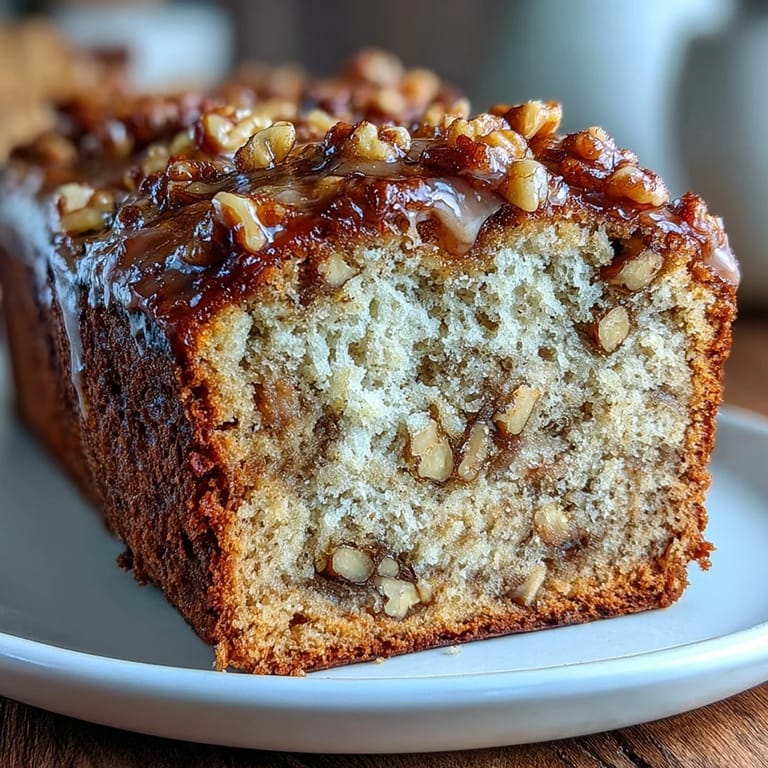
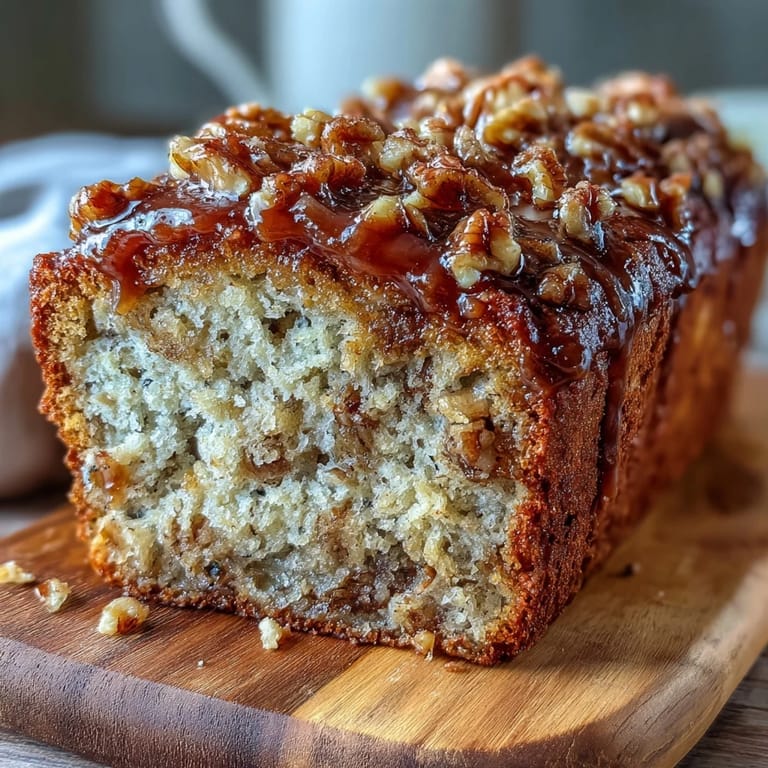
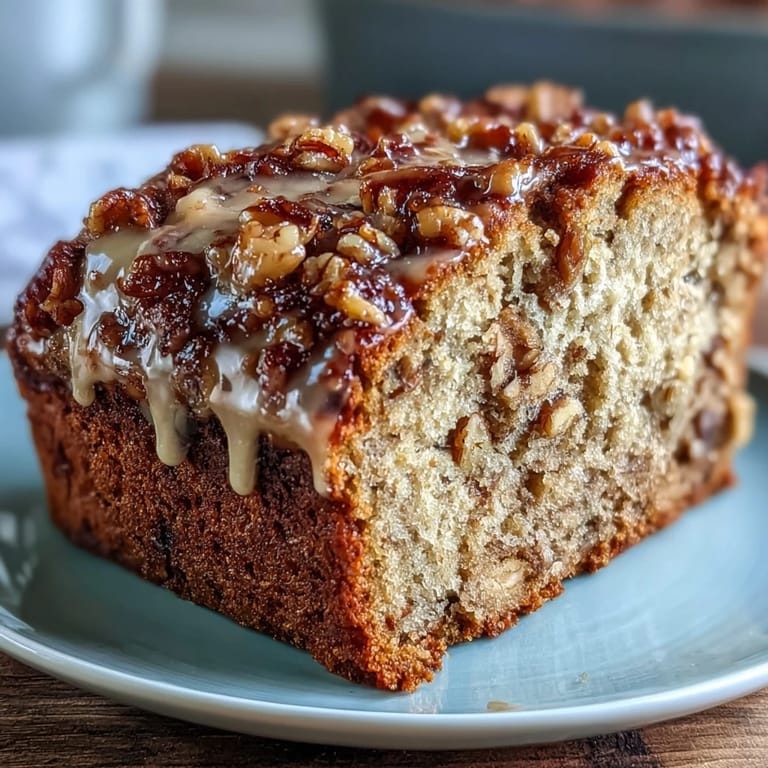
- Brown sugar crust (1/4 cup brown sugar, 1 tbsp butter, 1/2 tsp cinnamon): This mixture creates a thin, crackling layer that contrasts beautifully with the tender crumb underneath.
Tired of Takeout? 🥡
Get 10 meals you can make faster than delivery arrives. Seriously.
One email. No spam. Unsubscribe anytime.
Instructions
- Prepare your space and pan:
- Preheat your oven to 350°F and line a 9x5-inch loaf pan with parchment paper so the bread lifts out easily once cooled. If you prefer, you can grease the pan generously instead, though parchment gives you more control.
- Combine the wet ingredients:
- In a large bowl, whisk together your mashed bananas, room-temperature sourdough discard, cooled melted butter, eggs, milk, and vanilla until you have a smooth, slightly thick mixture. You'll notice how the sourdough blends right in without any lumps—this is what you want.
- Mix the dry ingredients separately:
- In another bowl, whisk together your flour, granulated sugar, baking soda, baking powder, salt, and cinnamon. This distributes the leavening agents evenly so you won't get any bitter pockets of baking soda taste.
- Combine wet and dry gently:
- Pour the wet ingredients into the dry and stir with a spatula just until combined—this takes maybe 20 strokes. Overmixing develops gluten, which makes the bread tough and dense, so resist the urge to make it perfectly smooth.
- Add your toasted walnuts:
- Fold in the walnuts gently so they distribute evenly throughout the batter without crushing them into powder.
- Transfer to the pan and top:
- Pour the batter into your prepared pan and smooth the top with a spatula. Mix the brown sugar, melted butter, and cinnamon in a small bowl until crumbly, then sprinkle this mixture evenly over the top.
- Bake until golden:
- Bake for 50 to 60 minutes—the bread will be deep golden brown and a toothpick inserted into the center will come out clean or with just a few moist crumbs. Every oven runs differently, so start checking at 50 minutes.
- Cool with patience:
- Let the bread cool in the pan for 15 minutes while the crumb sets, then turn it out onto a wire rack. This prevents it from becoming soggy on the bottom while still being warm enough to slice if you can't wait.
 Pin This
 What started as a way to use up sourdough starter scraps became my go-to recipe for impressing people without much effort. There's something about handing someone a still-warm slice and watching them taste that subtle tangy note underneath the sweetness that makes you feel like you've shared something special.
Why This Works Better Than Regular Banana Bread
The sourdough discard adds moisture and fermented depth that regular banana bread just doesn't have—you're not adding any weird flavors, just creating a more complex background note. The discard also contains beneficial bacteria that break down gluten a bit, making the crumb more tender. Most importantly, it lets you feel good about using something you'd normally throw away, which somehow makes the bread taste even better.
Timing and Substitutions That Actually Work
This bread is forgiving enough that you can make small changes without disaster—pecans work beautifully in place of walnuts, and half a cup of chocolate chips nestled into the batter adds richness. If you don't have sourdough discard, you can use active, bubbly starter instead, or even replace it with plain Greek yogurt for a slightly different but still delicious version. The key is keeping the ratio of wet to dry ingredients consistent, which is why weight matters here more than volume.
Serving Suggestions and Storage Tips
This bread is best enjoyed warm with a pat of salted butter, though it keeps beautifully in an airtight container for three days at room temperature and freezes well for up to three months. Pair it with strong black tea or a light roast coffee—the bitterness balances the sweetness in a way that makes both better. This is also the kind of bread that makes a lovely gift, wrapped in parchment and tied with twine, because it feels homemade in the best way.
- Slice it thickly and toast it if you're serving it the next day—the heat refreshes the crumb and brings back that fresh-baked quality.
- If you want a dessert version, serve a slice with whipped cream or a cream cheese frosting on the side.
- The brown sugar crust on top stays crispy for the first couple of days, so eat the loaf sooner rather than later if you want that textural contrast.
 Pin This
 This loaf reminds me why sourdough baking is so rewarding—nothing goes to waste, and every step feels intentional. Make this bread and you'll understand why your neighbors keep asking what smells so good.
Recipe FAQ
- → What role does sourdough discard play in the bread?
It adds a subtle tangy depth and moisture, enhancing flavor complexity without overpowering the bananas.
- → Can walnuts be substituted?
Yes, pecans are a great alternative for a similar nutty crunch and flavor profile.
- → How do I achieve the brown sugar crust?
Mix brown sugar with melted butter and cinnamon, then sprinkle evenly over the batter before baking for a caramelized crust.
- → Is it important to avoid overmixing the batter?
Yes, gentle mixing keeps the loaf tender and prevents a dense texture.
- → What is the best way to serve this loaf?
Enjoy warm with butter or cream cheese, alongside black tea or light roast coffee.