 Pin This
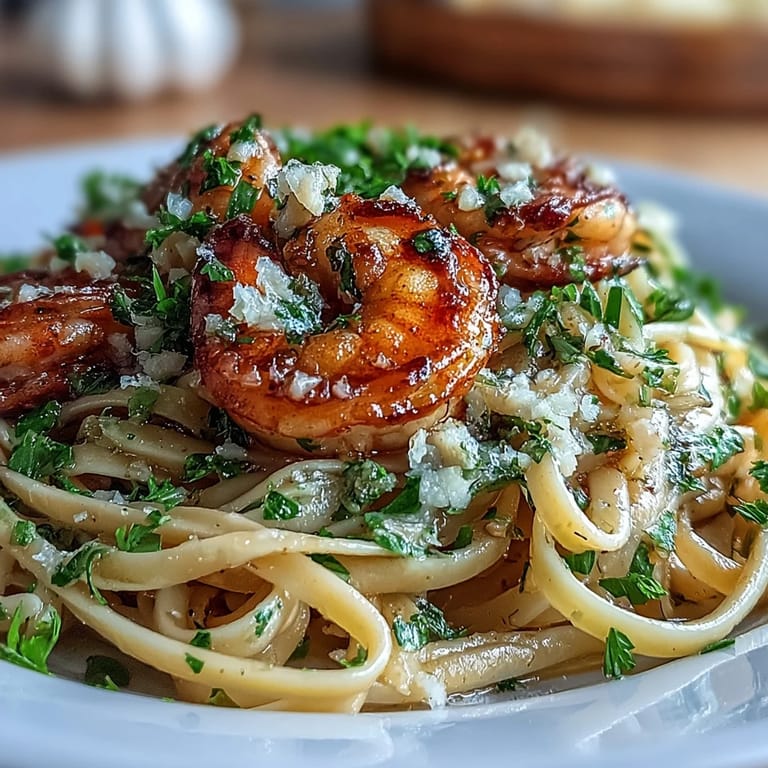
 Steam often lingers in my kitchen on weeknights, and whenever the fragrance of sizzling garlic hits the air, I know I'm in for something comforting yet bright. Shrimp Scampi Linguine with White Wine Sauce became my weeknight hero, but the first time I tossed it together, I underestimated how quickly shrimp can go from tender to tough. There's an undeniable alchemy when shrimp and lemon mingle with slick strands of linguine—suddenly, dinner feels like a small celebration. Sometimes I hear the clatter of tongs against the pan and realize this simple dish reliably turns a routine evening into something a little special.
One unusually rainy spring afternoon, I made this for friends huddled in the living room, sleeves rolled up and windows fogging, laughter carrying over Frank Sinatra playing from my phone. Serving the scampi straight from the skillet, everyone hovered close, chatting over swirled pasta and stolen bites—there was hardly a noodle left by the time the storm passed. It made me realize the heart of this dish is in the sharing as much as the savoring.
Ingredients
- Large shrimp: Fresh or well-thawed and dried-off shrimp are essential for that signature succulence—if you use pre-cooked, they'll turn rubbery quickly.
- Linguine: I love linguine's wide ribbons for catching the garlicky sauce, but other long pastas like spaghetti work in a pinch.
- Unsalted butter: You can control the saltiness, and butter lends richness the sauce wouldn't have with oil alone.
- Extra-virgin olive oil: Combining it with butter keeps the flavor complex and prevents burning.
- Garlic: Use fresh and cut it just before cooking; jarred garlic doesn't compare.
- Crushed red pepper flakes: The tiniest pinch gives warmth—add more if you want a spicy kick.
- Dry white wine: Choose a crisp wine you'd enjoy sipping, since its flavor anchors the sauce.
- Lemon (zest and juice): Zesting before juicing saves time, and the brightness balances out the butteriness.
- Fresh parsley: Chopped parsley offers a final burst of color and freshness right before serving.
- Salt and freshly ground black pepper: Taste and adjust just before serving to keep all flavors lively.
- Grated Parmesan cheese: Not traditional, but a sprinkle just before serving brings savory depth if you like.
- Lemon wedges: Squeeze at the table for one last punch of acidity.
Tired of Takeout? 🥡
Get 10 meals you can make faster than delivery arrives. Seriously.
One email. No spam. Unsubscribe anytime.
Instructions
- Boil the pasta:
- Fill a large pot with water, salt generously, and bring to a boil—drop in the linguine and cook until al dente, always reserving half a cup of the pasta water before draining.
- Prep the shrimp:
- Blot the shrimp dry on paper towels, then season both sides lightly with salt and pepper so they sear rather than steam.
- Sauté the aromatics:
- Set a large skillet over medium-high heat, then melt butter with olive oil until bubbly; toss in minced garlic and red pepper flakes, stirring until the aroma wafts up but before the garlic colors.
- Cook the shrimp:
- Arrange the shrimp in a single layer so each one makes contact with the hot pan; flip after just 1–2 minutes per side, when you see them turn pink and opaque, then remove to a plate.
- Deglaze with wine:
- Pour in dry white wine, scraping up any browned bits stuck to the skillet as the liquid simmers and thickens slightly for 2 to 3 minutes.
- Brighten the sauce:
- Reduce the heat, then stir in lemon zest and juice so the whole pan perks up with citrus fragrance.
- Toss in the pasta:
- Add the drained linguine directly to the skillet, tossing until each strand is glazed—use splashes of reserved pasta water if the sauce seems tight.
- Finish with shrimp and herbs:
- Return shrimp to the pan along with half the parsley, tossing gently so everything heats through but the shrimp stay tender; check and adjust seasoning right at the end.
- Serve and garnish:
- Heap the saucy pasta onto plates, topping with extra parsley, grated Parmesan if you like, and plenty of lemon wedges for squeezing at the table.
 Pin This
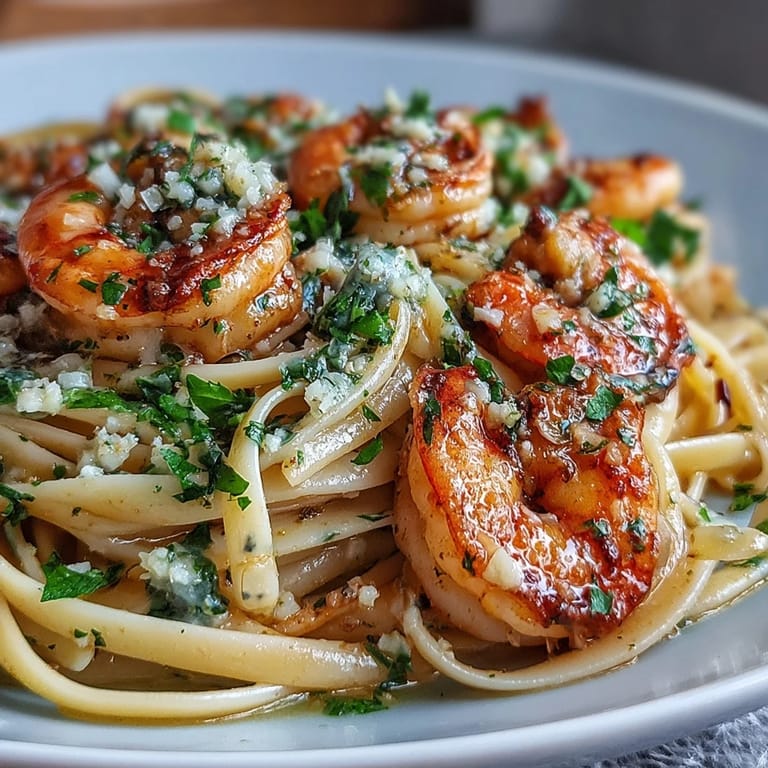
 It still makes me smile remembering when my partner tried to sneak extra Parmesan over his plate and then sheepishly offered some to everyone else. That little moment, for me, sealed this scampi as the dish that turns a simple meal into an invitation for connection.
Choosing the Right Wine for Your Sauce
I've found that reaching for an off-dry white like Pinot Grigio or Sauvignon Blanc is more forgiving in cooking than you'd expect. If the bottle tastes crisp and bright, it'll lift the sauce without overpowering the shrimp. Even a leftover splash from yesterday works, just avoid very oaky or sweet wines. Never use 'cooking wine'—they flatten the dish no matter how much lemon you add.
Shrimp Prep Secrets
Peeling and deveining shrimp might seem fussy, but it makes all the difference for texture and flavor, plus you won't risk any grit. Letting them dry on paper towels ensures a good sear—patience pays off when the shrimp hit the hot butter and immediately sizzle. I sometimes prep them in advance and keep them covered in the fridge until go-time. It becomes muscle memory, and with practice, it's oddly satisfying.
How to Serve and Store Leftovers
This is one of those dishes best eaten right away, but you can gently reheat leftovers in a splash of broth or water over low heat, covering the pan. Avoid microwaving—it dries out the shrimp and dulls the brightness of the sauce. Leftovers also make a sneakily good cold lunch tossed with a bit of olive oil and lemon zest.
- If you want more sauce, save extra pasta water to loosen it up.
- Add more parsley or a dusting of lemon zest to revive flavors before serving leftover portions.
- Store in an airtight container, and eat within a day for the best shrimp texture.
 Pin This
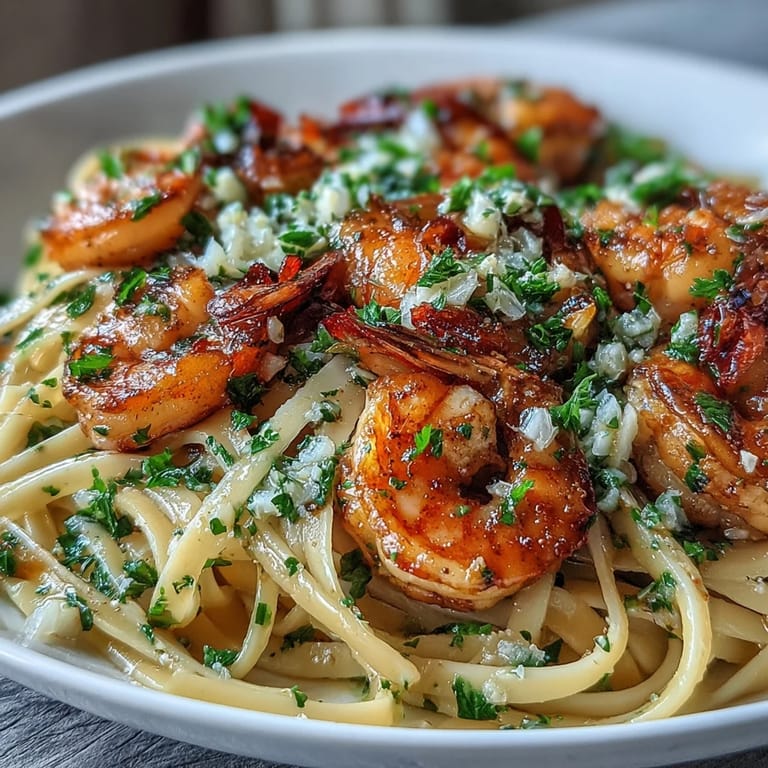
 Each time you make this Shrimp Scampi Linguine, you get better at catching those little moments: the perfect sizzle, the right swirl of pasta, someone reaching for seconds. Here’s to bringing a spark of joy to the ordinary dinner rush.
Recipe FAQ
- → How can I prevent the shrimp from overcooking?
Pat shrimp dry and season lightly. Cook in a hot skillet 1–2 minutes per side until opaque; remove promptly since carryover heat will finish them. Overcooked shrimp become rubbery, so err on the side of slightly underdone before resting.
- → What pasta can I substitute for linguine?
Spaghetti or fettuccine are excellent substitutes; they hold the sauce similarly. Short pastas will work but change the mouthfeel—adjust sauce volume and reserved pasta water as needed for cling.
- → Which white wine works best for the sauce?
Choose a dry white such as Pinot Grigio or Sauvignon Blanc for bright acidity. Avoid sweet wines. If you prefer no alcohol, use low-sodium chicken or vegetable broth with a splash of lemon for balance.
- → How do I adjust the sauce consistency?
Add reserved pasta water a tablespoon at a time to loosen the sauce; its starch helps emulsify butter and oil. To thicken, simmer the wine a bit longer to reduce, or finish with an extra tablespoon of butter to create a glossy, slightly thicker coat.
- → How can I make a spicier version?
Increase crushed red pepper flakes to taste or add a pinch of cayenne while sautéeing the garlic to bloom the heat. Toss evenly so the spice distributes without overpowering the lemon and butter.
- → What is the best way to store and reheat leftovers?
Cool quickly and refrigerate in an airtight container for up to 2 days. Reheat gently in a skillet with a splash of water, wine, or broth to revive the sauce and avoid drying the shrimp. Reheating briefly preserves texture better than prolonged microwaving.